
Our project for the Spring Term is “Our favourite books”
At Chrysalis, we incorporate a wide variety of stories and books to support every area of the children’s learning. This project allows such a wealth of opportunities to encourage the love of books and allows children to guide their own learning through choice of personal favourites from home and in nursery.
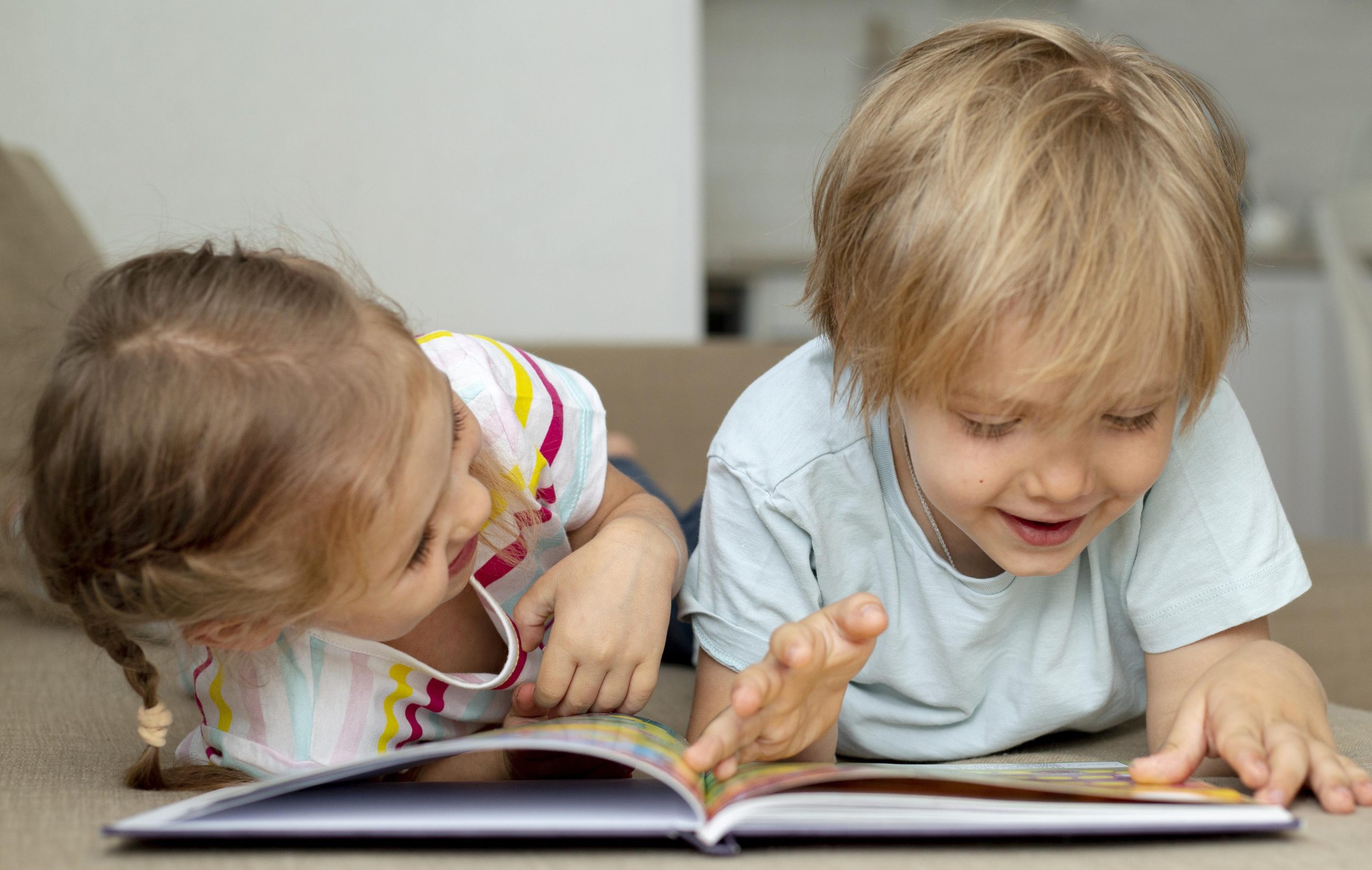
Early experiences of reading will have a significant influence on children’s views and feelings about reading as they get older. It is crucial for children to develop a love of books and reading to enable them to learn the necessary skills to become successful readers themselves.
National Literacy Trust research has shown that reading for pleasure can help children access wider benefits for learning and wellbeing as they grow. The foundations for children enjoying and actively choosing to read are established from their earliest experiences with books.
Reading aloud together strengthens parent-child bonds and introduces new vocabulary and sentence structures that are essential for future academic success. Early positive experiences with books also create a lifelong habit of reading for pleasure, leading to greater empathy and a broader understanding of the world.

It’s important to remember that reading, writing, and speaking and listening are interconnected skills that come together to form the foundation of early communication development. Each one supports and enhances the others.
Cognitive and language development
Building vocabulary: Books introduce a wider range of words than are typically used in daily conversation.
- Developing language skills: Children learn about sentence structure, grammar, and the relationship between spoken and printed words.
- Improving concentration: Reading regularly helps children develop the ability to focus and maintain attention.
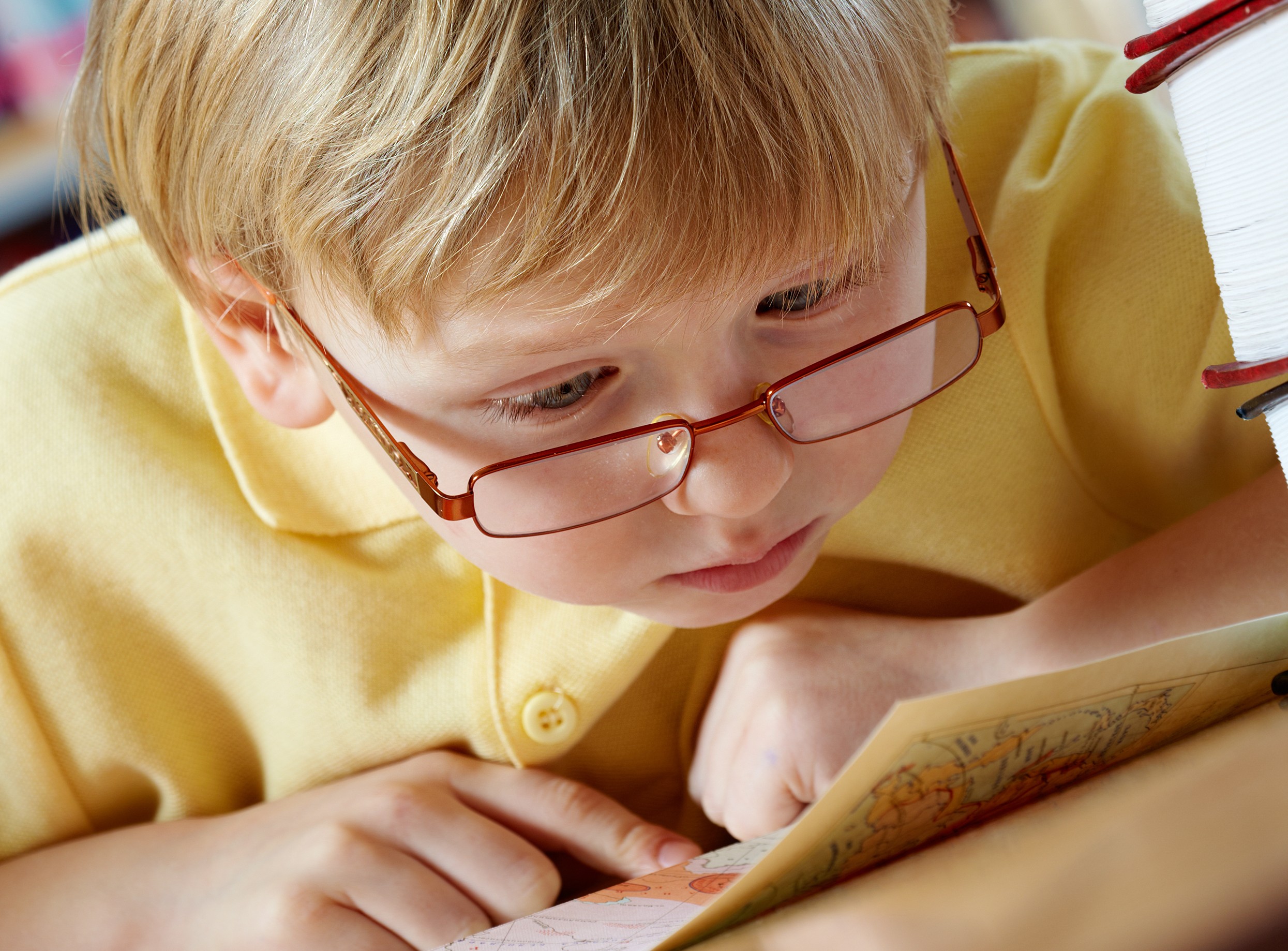
- Enhancing comprehension: Discussing stories with a child builds their understanding of what is being read and read about.
Emotional and social development
Strengthening bonds: Reading together provides a special time for connection with friends and loved ones
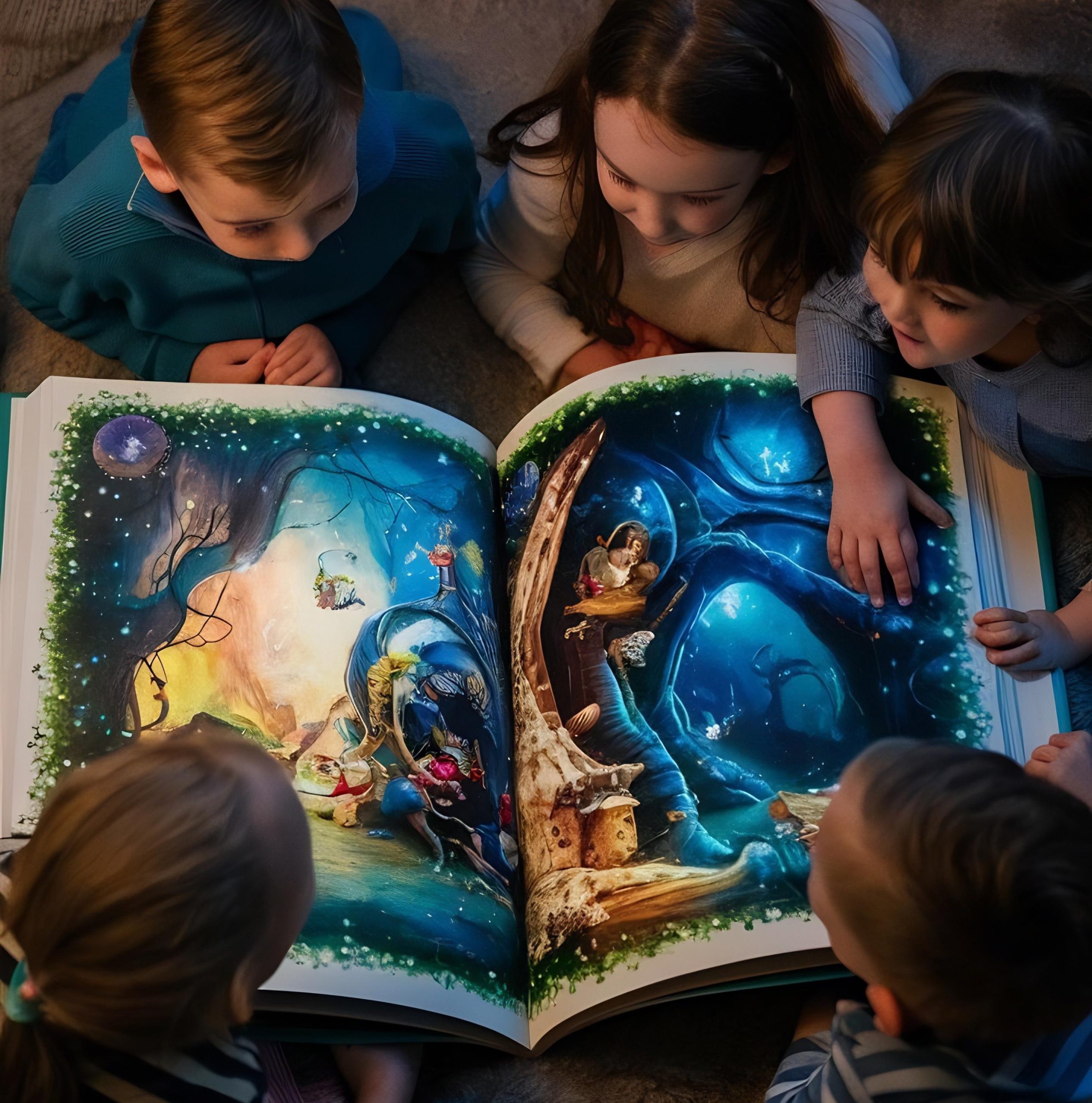
- Increasing confidence: A positive reading experience builds self-esteem and a child’s confidence as a learner.
- Sparking imagination: Stories provide a gateway to new worlds, creativity, and imaginative play.

- Fostering empathy: Exposure to different characters and narratives helps children understand new perspectives and develop empathy. Through stories, they learn about different emotions and how characters deal with them. This understanding of emotions enables children to navigate their own feelings too.

Time spent reading favourite books to children not only allows teachers, parents and carers to bond with children – it helps with their brain development too which is crucial in our young age group.
Alongside helping very young children with their speech development, reading books aloud together introduces new words, structures and language patterns that help form the building blocks for literacy later in life.
In fact, evidence shows that children who were read to regularly when they were five years-old performed better in maths, vocabulary and spelling tests at age 16, compared to those who weren’t read to at a young age.
Here are 10 top tips from the National Literacy Trust to help support your child’s love of books at home:
- Find a quiet place. Turn off the TV or radio to help your child listen to you read without distractions.
- Try to always have a book in your bag. Reading together can help pass the time on a long journey. It can be very calming.
- You don’t always need to read the words in books. Looking at and talking about the pictures is a great way to encourage your child to enjoy books. If you speak a language other than English, talk about the pictures and story in your own language.
- Give your child time to respond to your chat about the book. Watching and listening shows how interested you are in hearing what children have to say and encourages communication development.
- Be natural and clear when you read. You can also use funny voices for characters, or a sing-song voice for words or phrases that are repeated throughout the book. After reading a book several times, your child will anticipate hearing the change in tone.
- Don’t be afraid to use props. Using puppets or a favourite cuddly toy will help bring the words alive and add actions to your words.
- Link what you see or read about in books with real-life. If there’s a picture of a dog in a book, talk about a dog you know. Or if you see a dog in the park or on the street, you could remind your child of the dog in their favourite book.
- Don’t put pressure on your child to name pictures or objects in books. Point to things and name them yourself, and if they respond, praise them and say the word again.
- Little and often is best. Try introducing a special daily story session where you can snuggle up and enjoy a book together, like at bedtime or bath time.
- Share favourite books again and again. Repetition helps children to understand and remember the language they hear. It’s not unusual for young children to want to hear the same book over and over.
We would love to encourage parents and family members to come into nursery to read a story to the children, either a favourite book from home or a well-loved story from nursery.
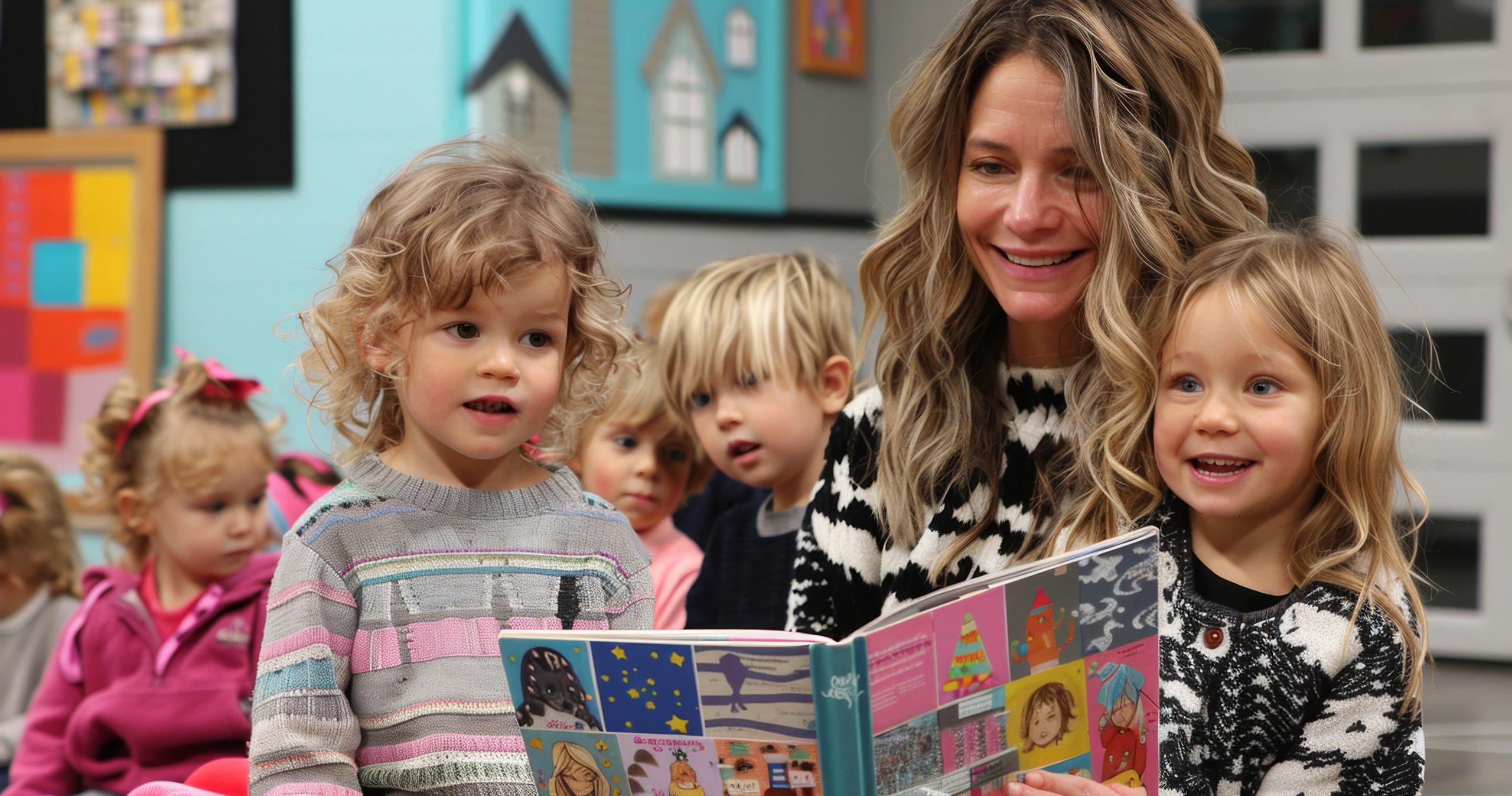
Our project this term also ties in very well with World Book Day on 5th March 2026.
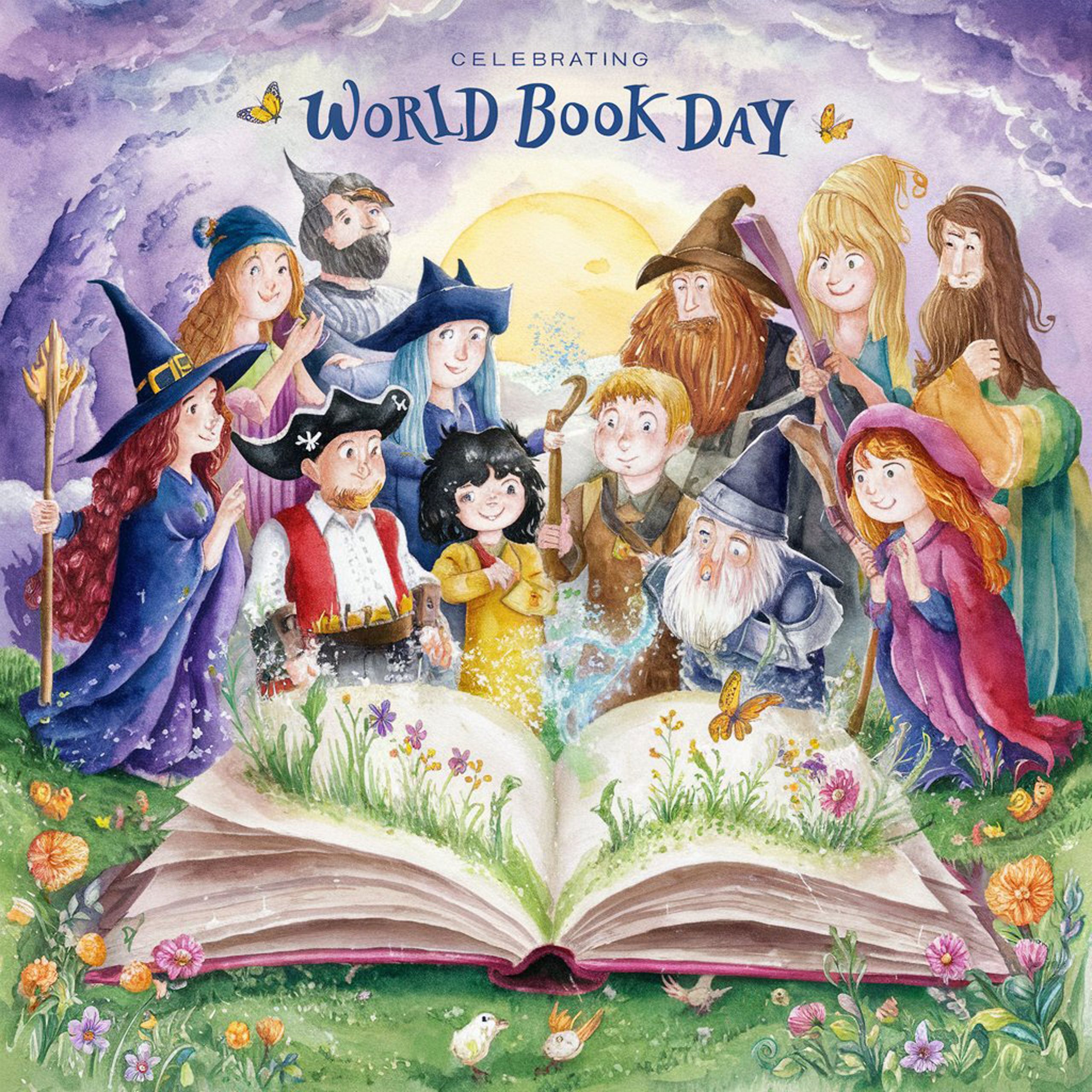
Each year in March, Chrysalis joins in with the national buzz around reading and the celebration of books, when we can encourage everyone to let go of pressure and expectations and give children a choice, and a chance, to grow a lifelong love of reading.
World Book Day provides a fantastic opportunity to focus on reading for pleasure, supporting children’s autonomy in book choice, and embedding a habit of reading that brings a wide range of benefits.
The children will receive a special token to exchange for one of the newly announced £1 books if they would like to.

We’re really looking forward to sharing stories old and new as the children learn about theirs and their friends’ favourite books this term. Sharing stories and books is an essential part of a child’s healthy and successful development. The very best way to encourage a love of reading is to role model this through the adults in every child’s life sharing their passion and excitement for books and the wonderful and imaginative worlds that they take us to.