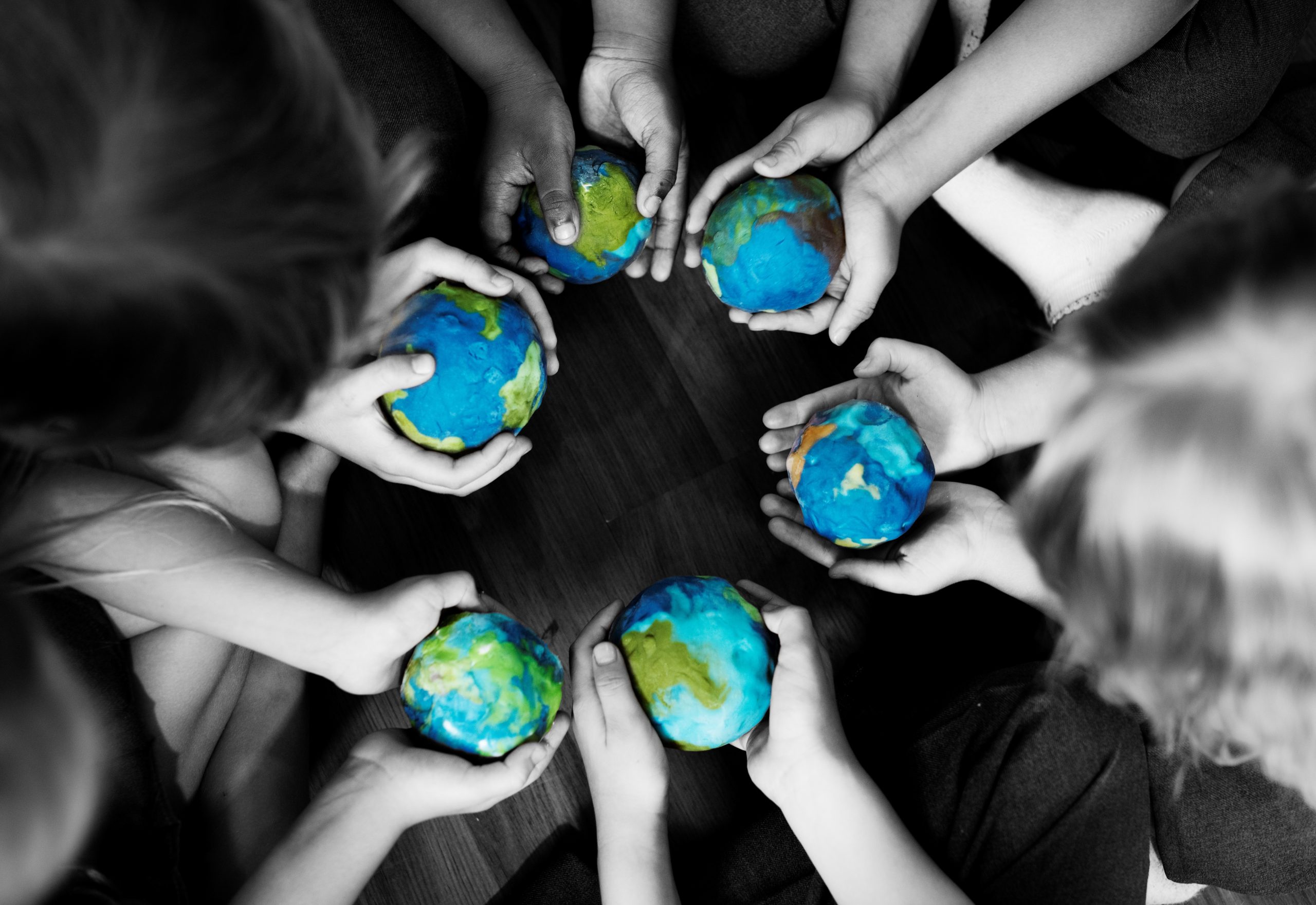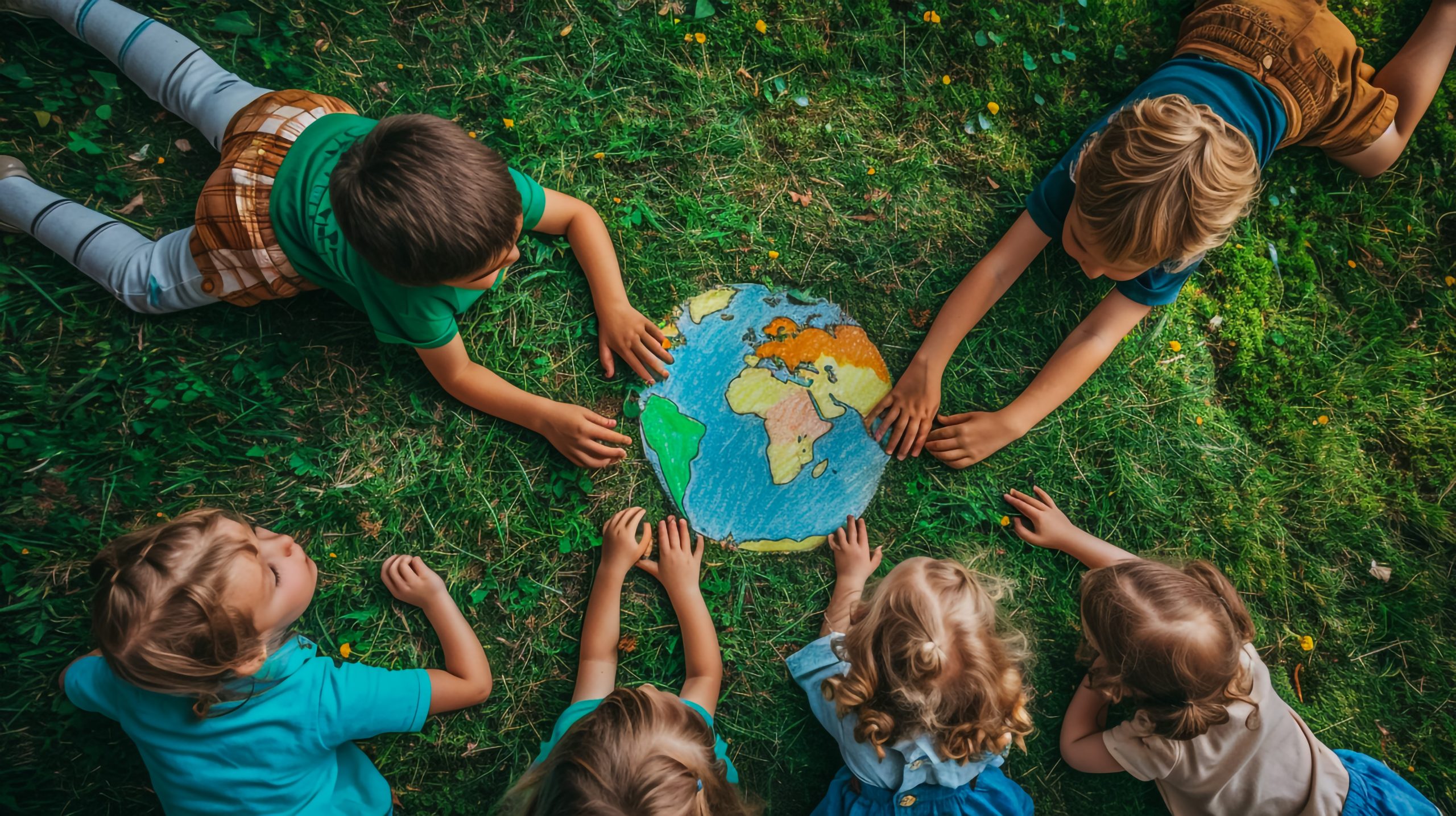
Our Summer Term Project is ‘Around the World’!
Teaching early years children about ‘around the world’ is vital to foster curiosity, empathy, and respect for diversity from a young age. It helps them understand their own place in a global community, breaks down stereotypes, and encourages an understanding of different cultures, traditions, and environments.
As we teach our children about ‘Around the world’ we are…
- Promoting inclusion and reducing prejudice: Exploring diverse cultures helps children recognize similarities and differences, preventing the formation of biases and fostering respect.
- Encouraging curiosity and exploration: Children are naturally inquisitive; learning about new places, animals, and traditions drives their desire to investigate, boosting cognitive development.
- Building empathy and global citizenship: Understanding that people live in different ways builds compassion and responsibility for others and the environment.
- Developing understanding of “community”: It helps children see themselves as part of a wider, interconnected world beyond their own family.
- Enhancing cognitive and language Skills: Learning about different places, foods, and customs introduces new vocabulary and concepts, extending their understanding of the world around them.
Children use their own ideas and imagination to make sense of the world around them. When they are free to select resources and imitate roles and experiences from everyday life, they can explore sense and nonsense, reality and fiction whilst gaining an understanding of society and culture.
Understanding the World is one of the four specific areas of learning in the EYFS framework. It involves guiding children to make sense of their physical world and their community through opportunities to explore, observe and find out about people, places, technology, and the environment.
For children to start to understand our world, they need plenty of opportunities for first-hand experiences so that they can make connections, re-enact and imagine.
As part of this project, we can embrace:
- Language, costume, religions and festivals
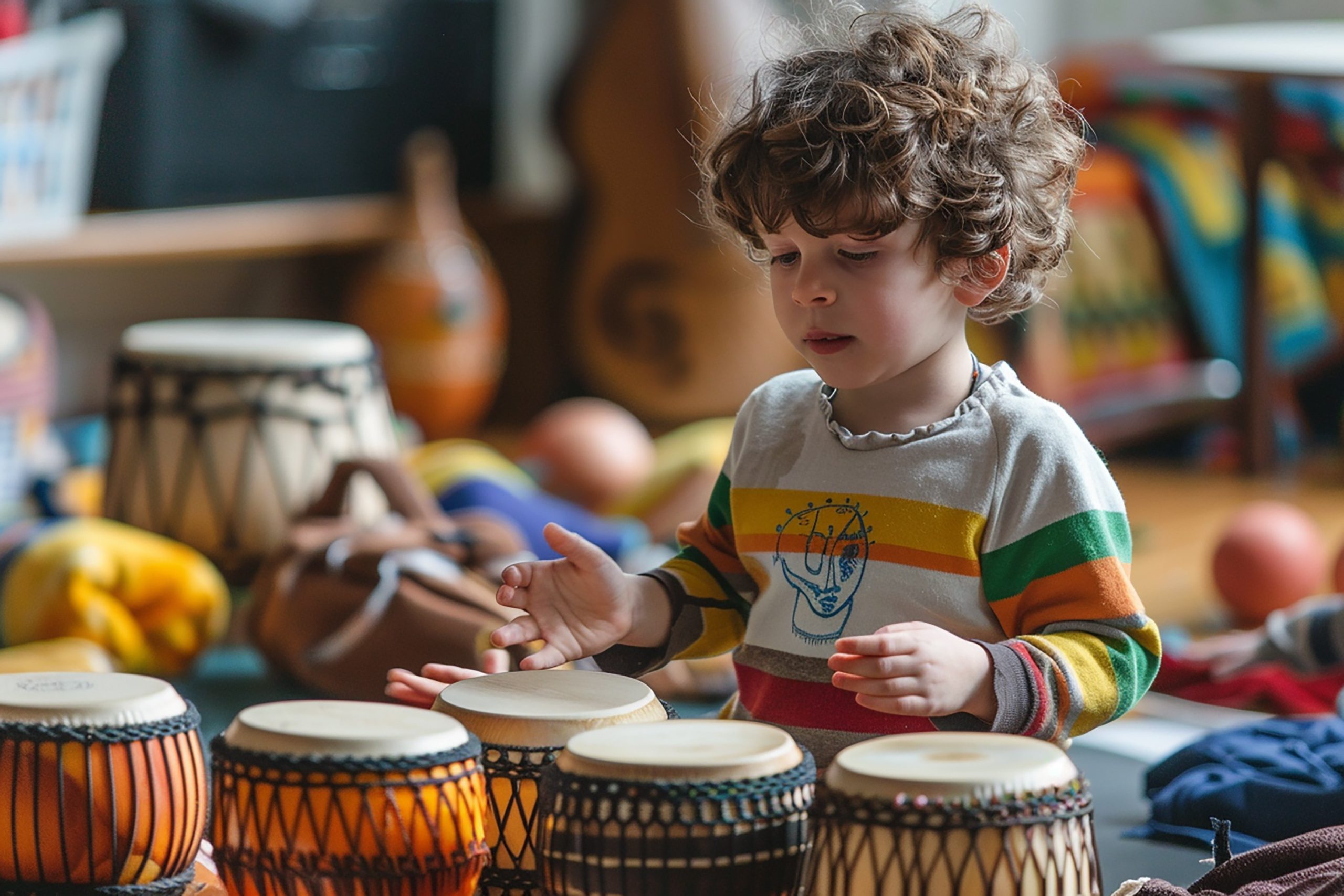
Including activities looking at artefacts from around the world such as musical instruments and listening to the sounds that they make. Learning dances from different cultures.
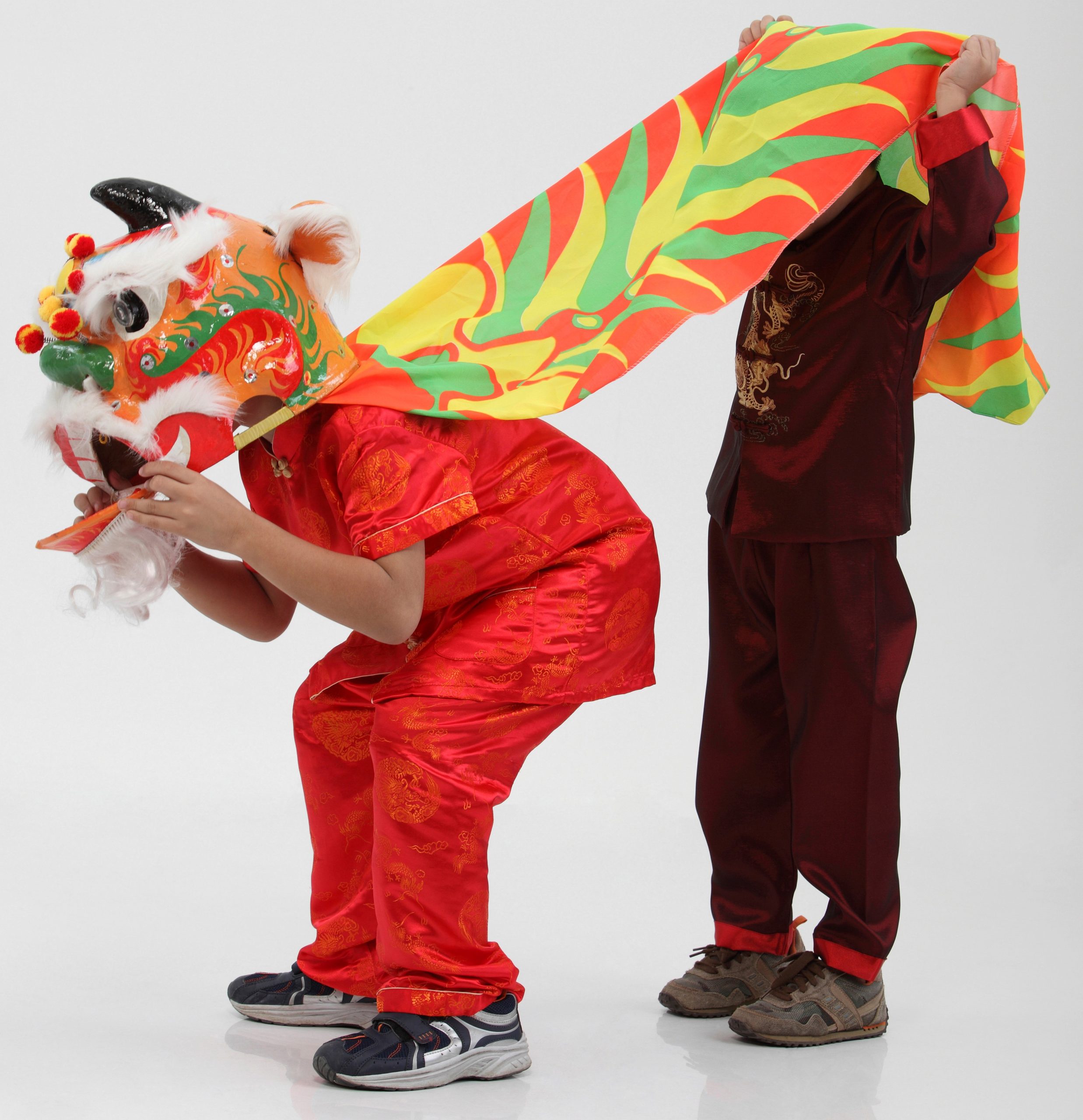
Looking at different national or religious costumes and head coverings, including mask making.
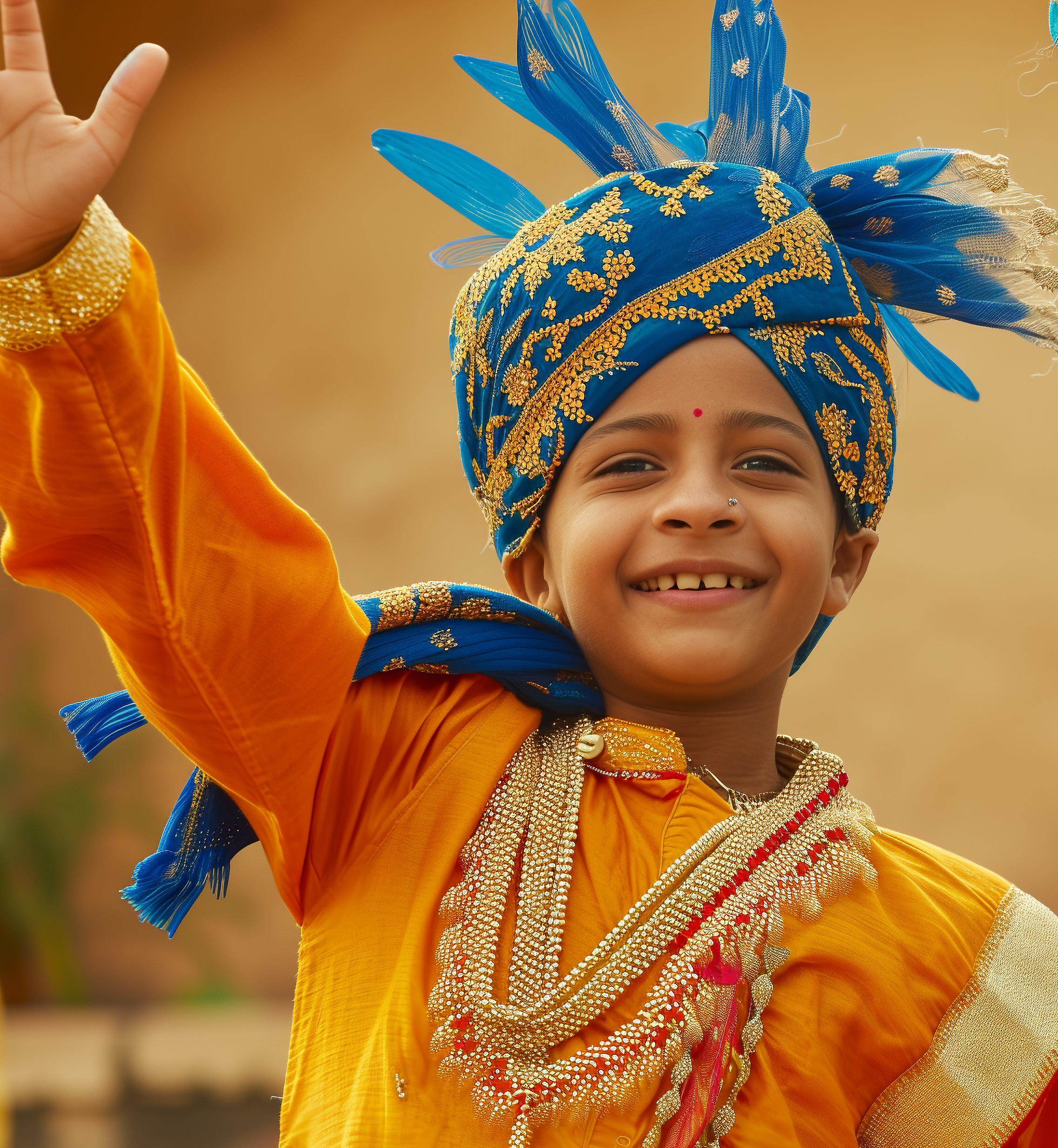
Talking about festivals and celebrations from other countries.
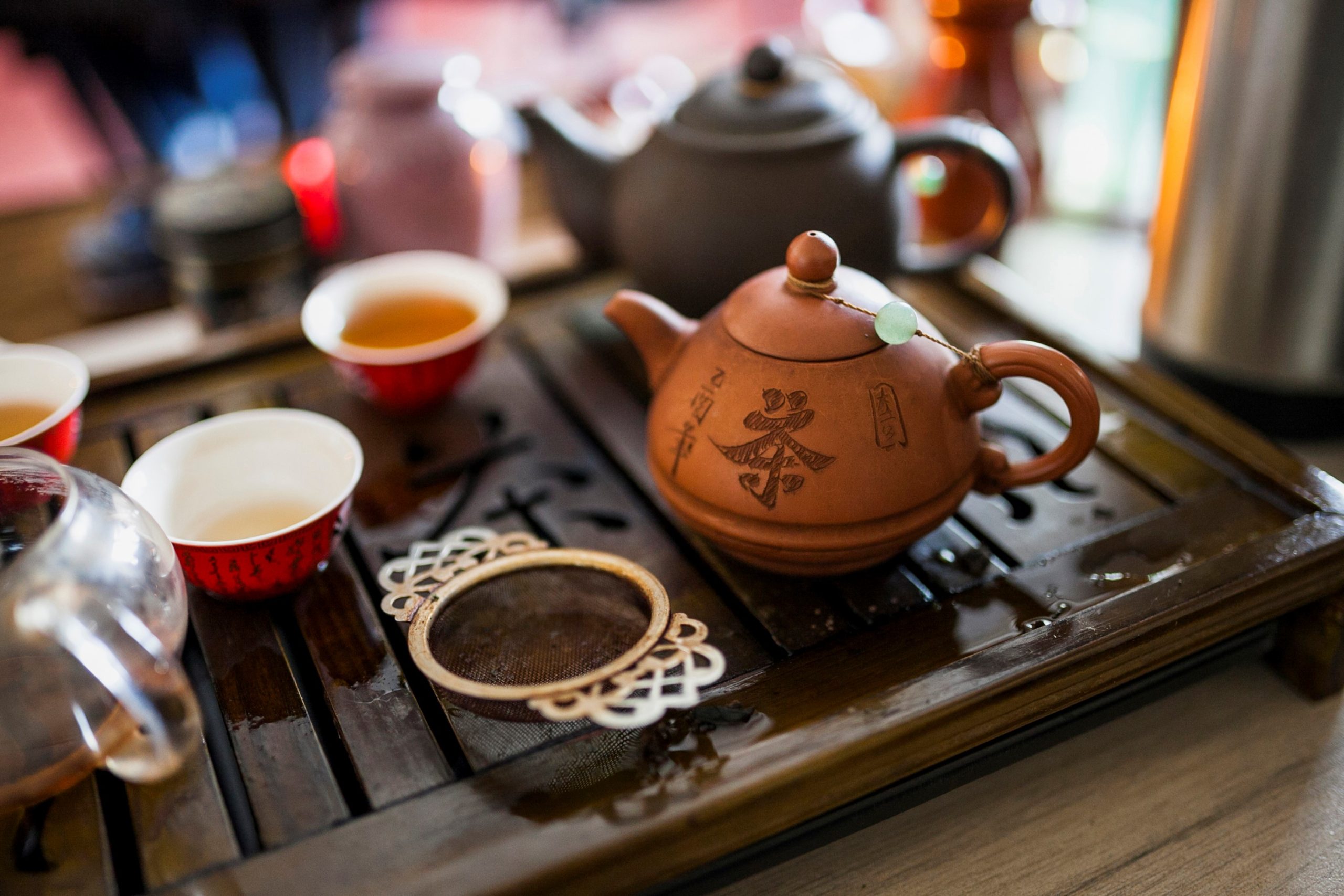
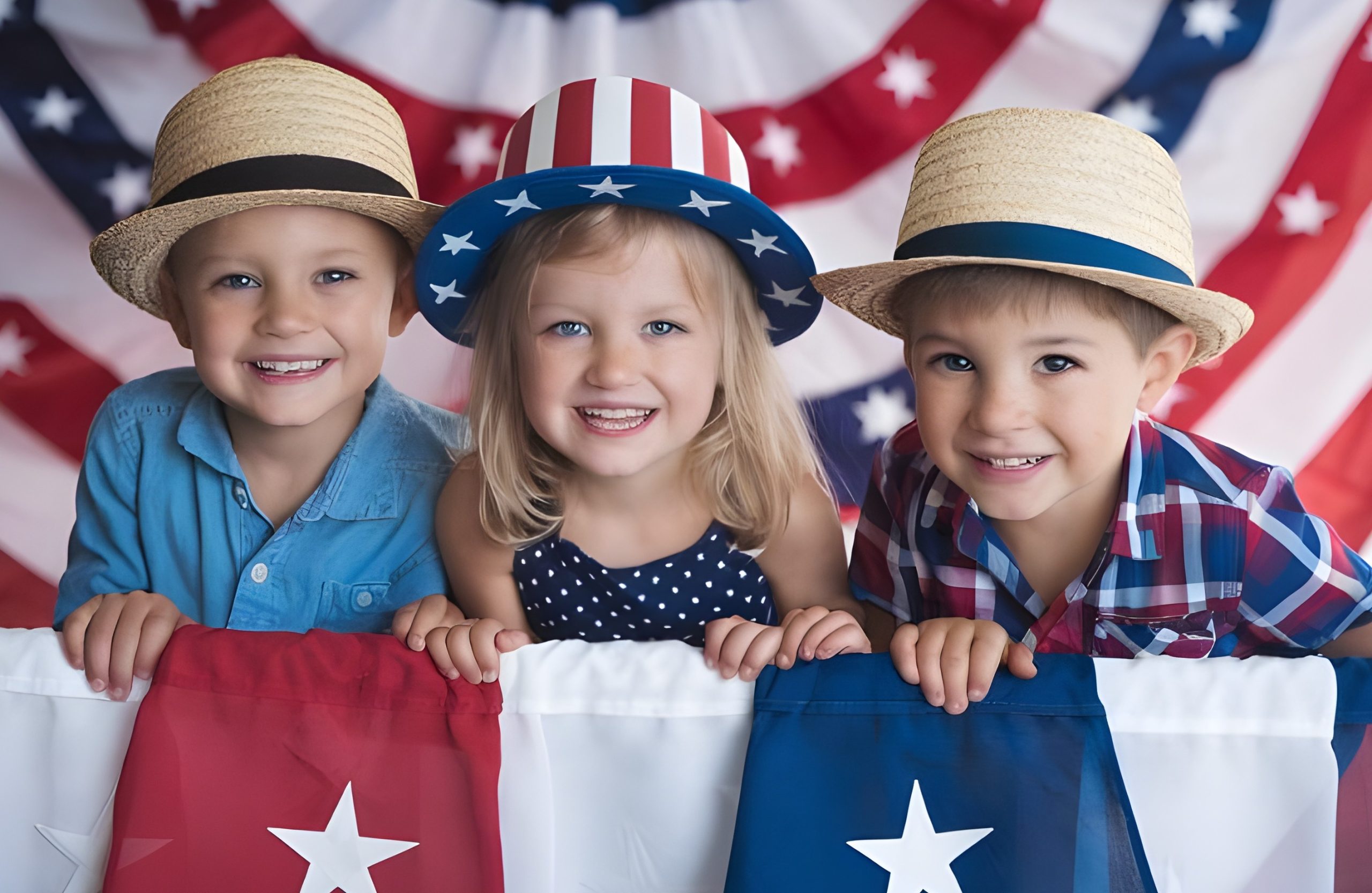
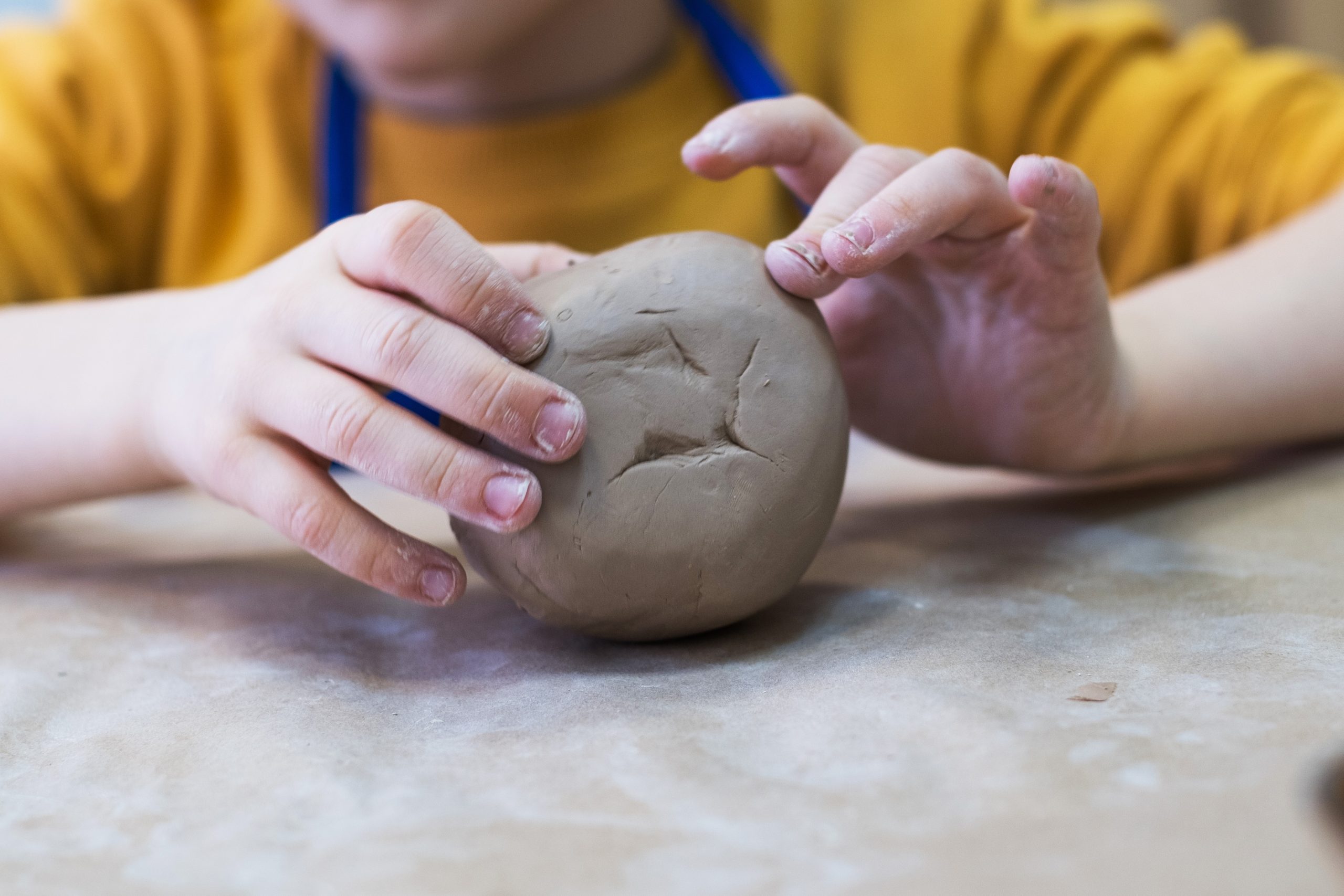
The children can try crafts from around the world such as making clay pots, print making and weaving.
We can also include discussions about the different words for everyday objects in another language.
- Travel
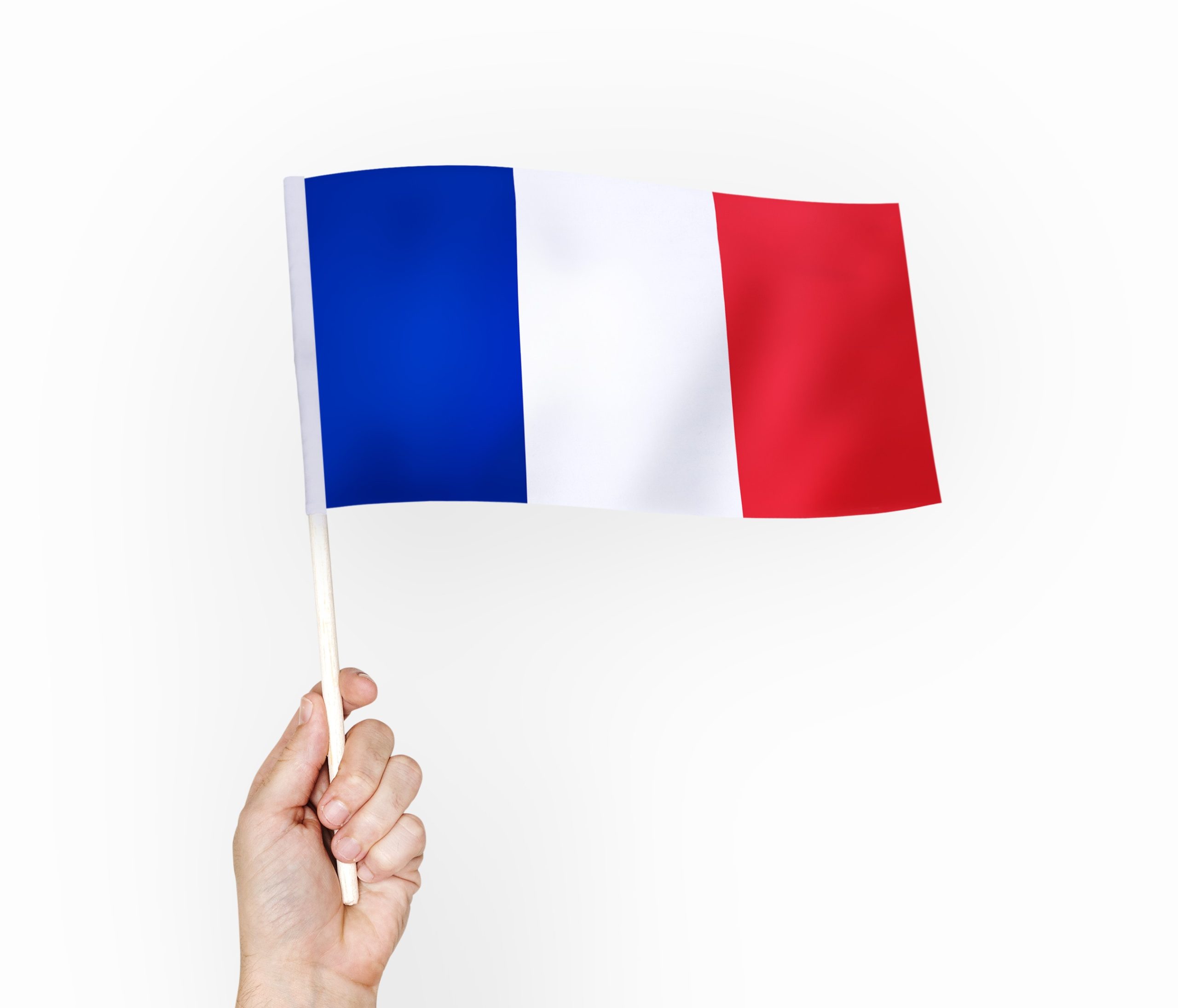
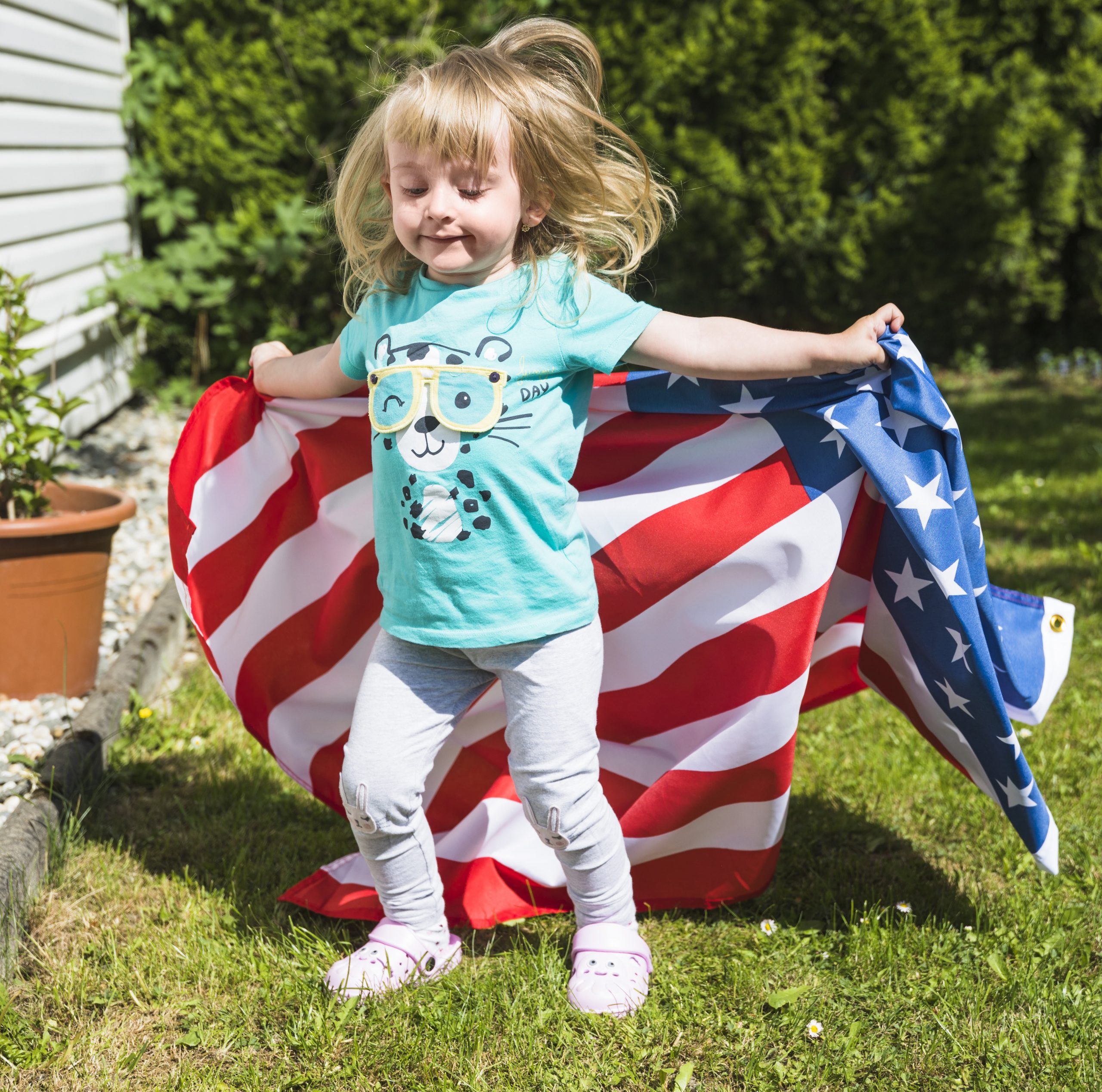
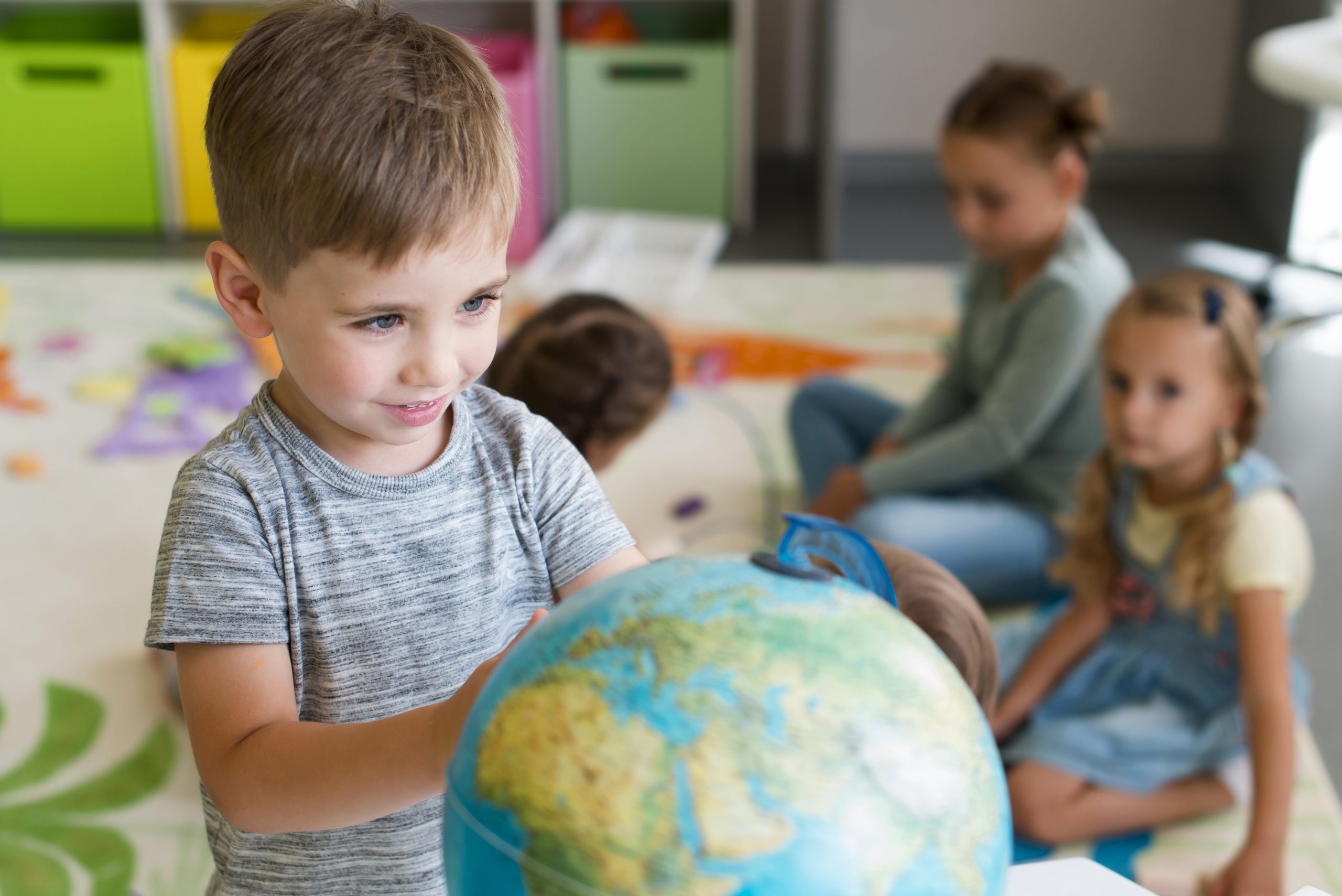
Including world maps, globes and flags.
This can involve discussions about different countries of the world that the children may have visited on holiday or have family connections with.
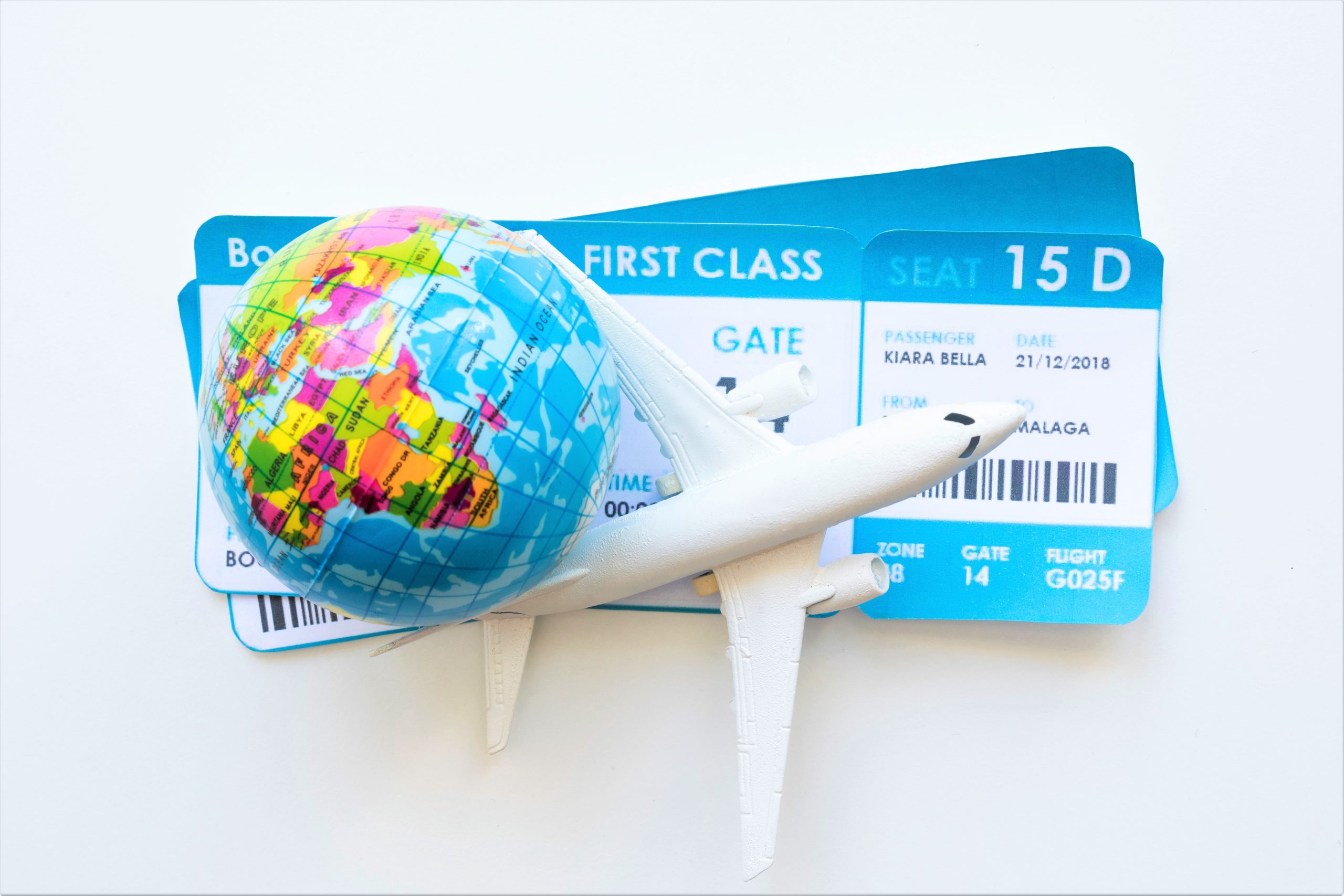
Looking at where these countries are on a world map or globe… are they close to us or far away?
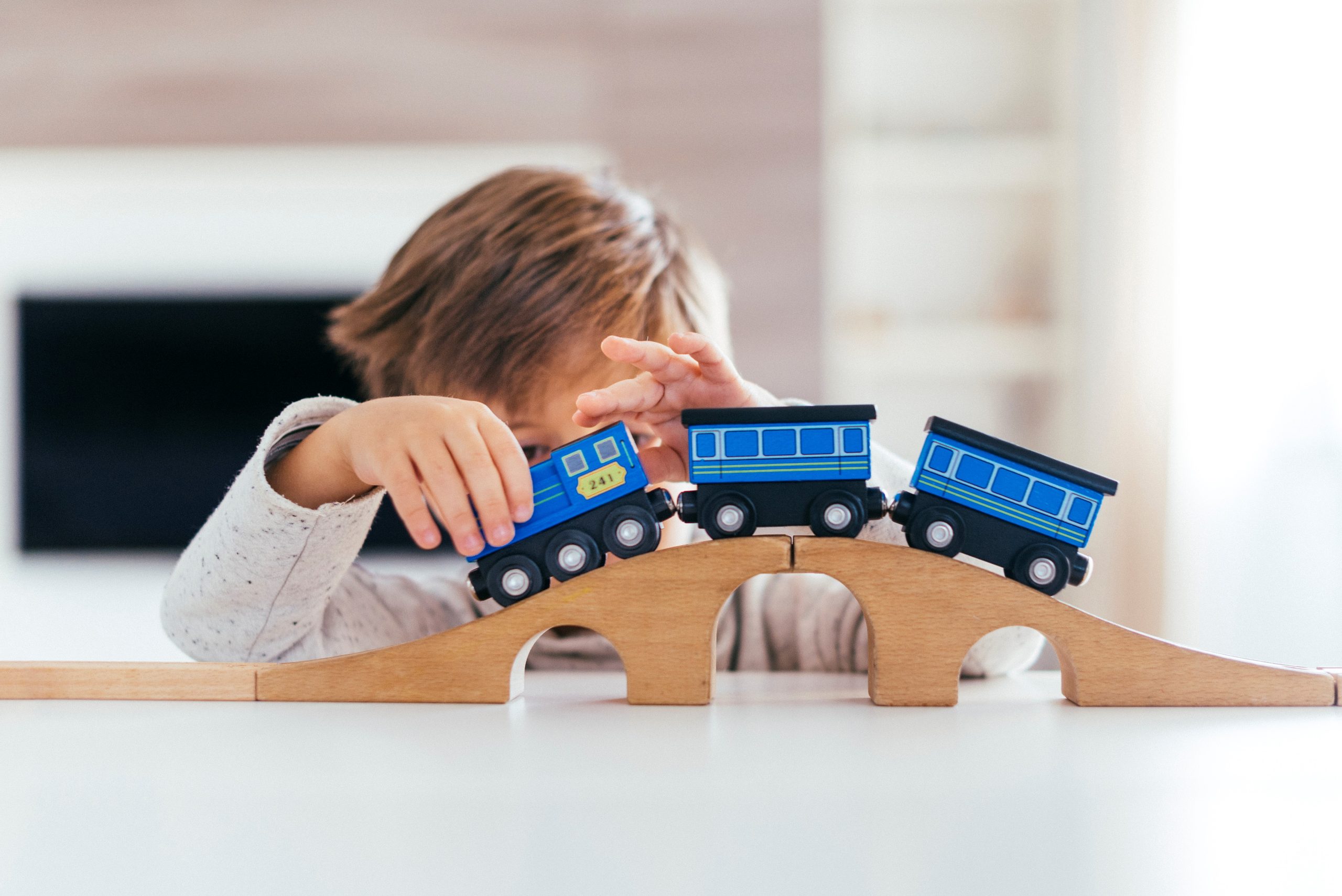
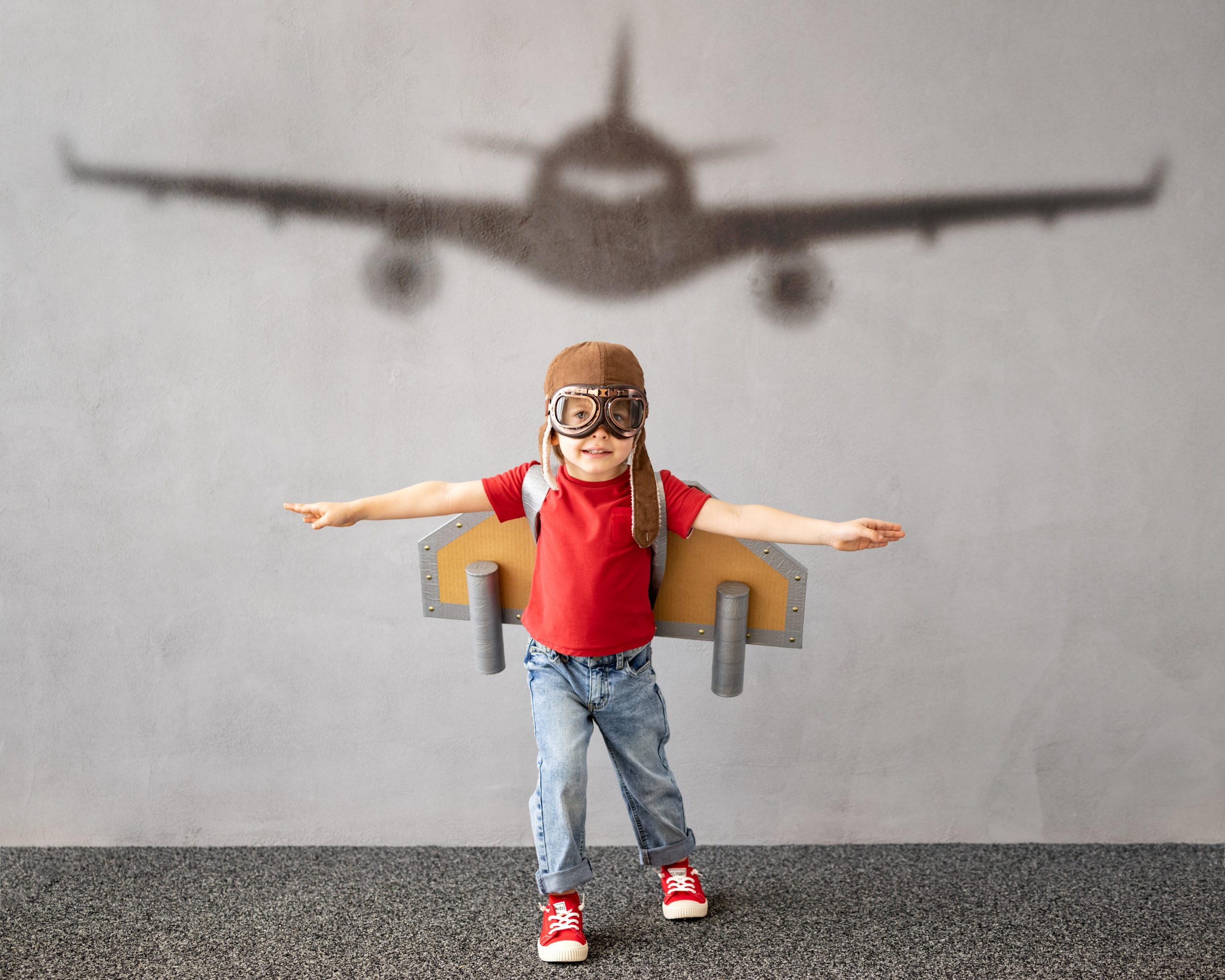
How do we get there? Including planes, trains, boats, lorries and cars.
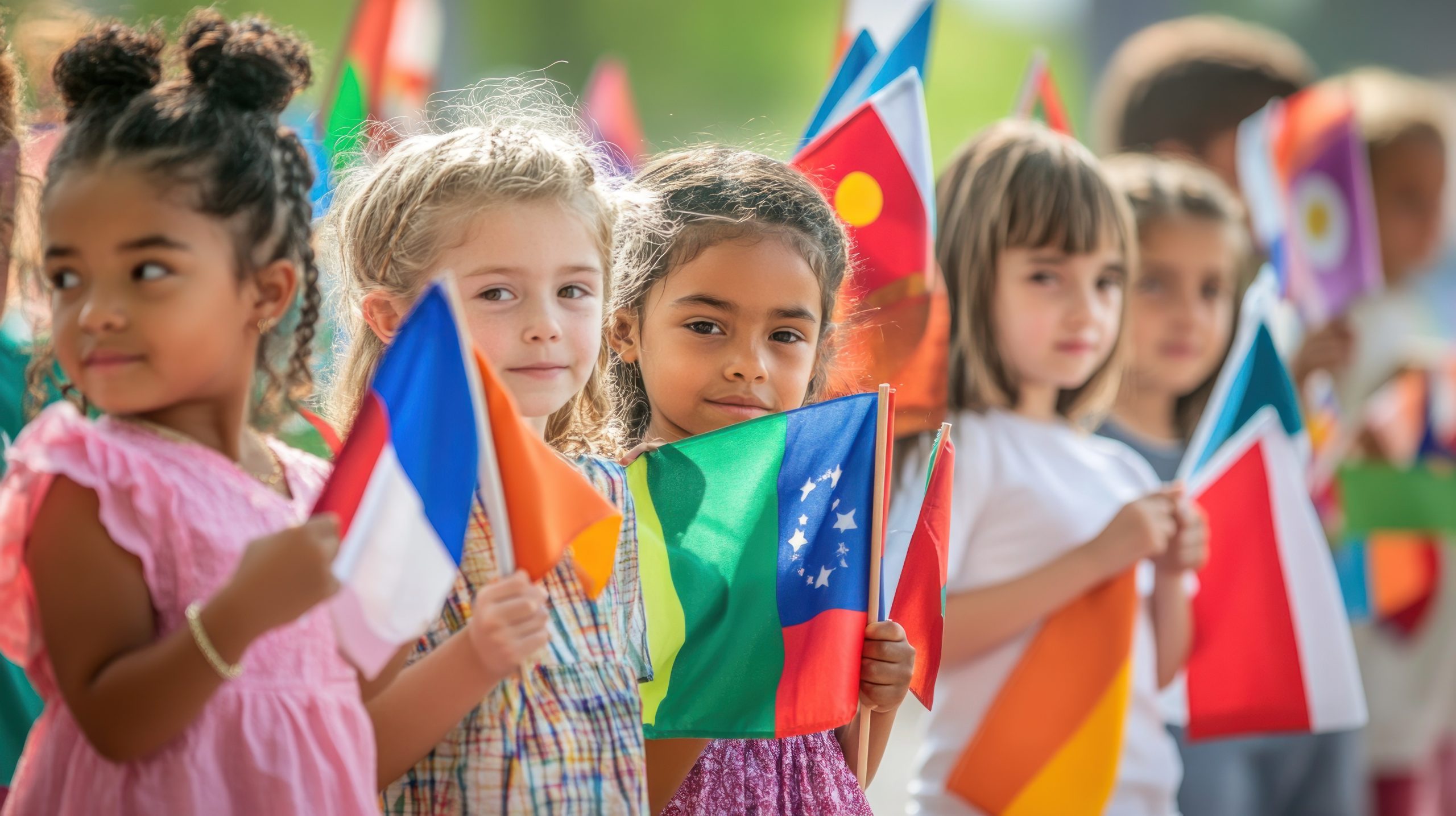
Looking at different flags from around the world helps with colour and pattern recognition
- Foods from around the world
Learning about, and even tasting, some traditional dishes from other countries. Using chopsticks – great for hand-eye co-ordination!
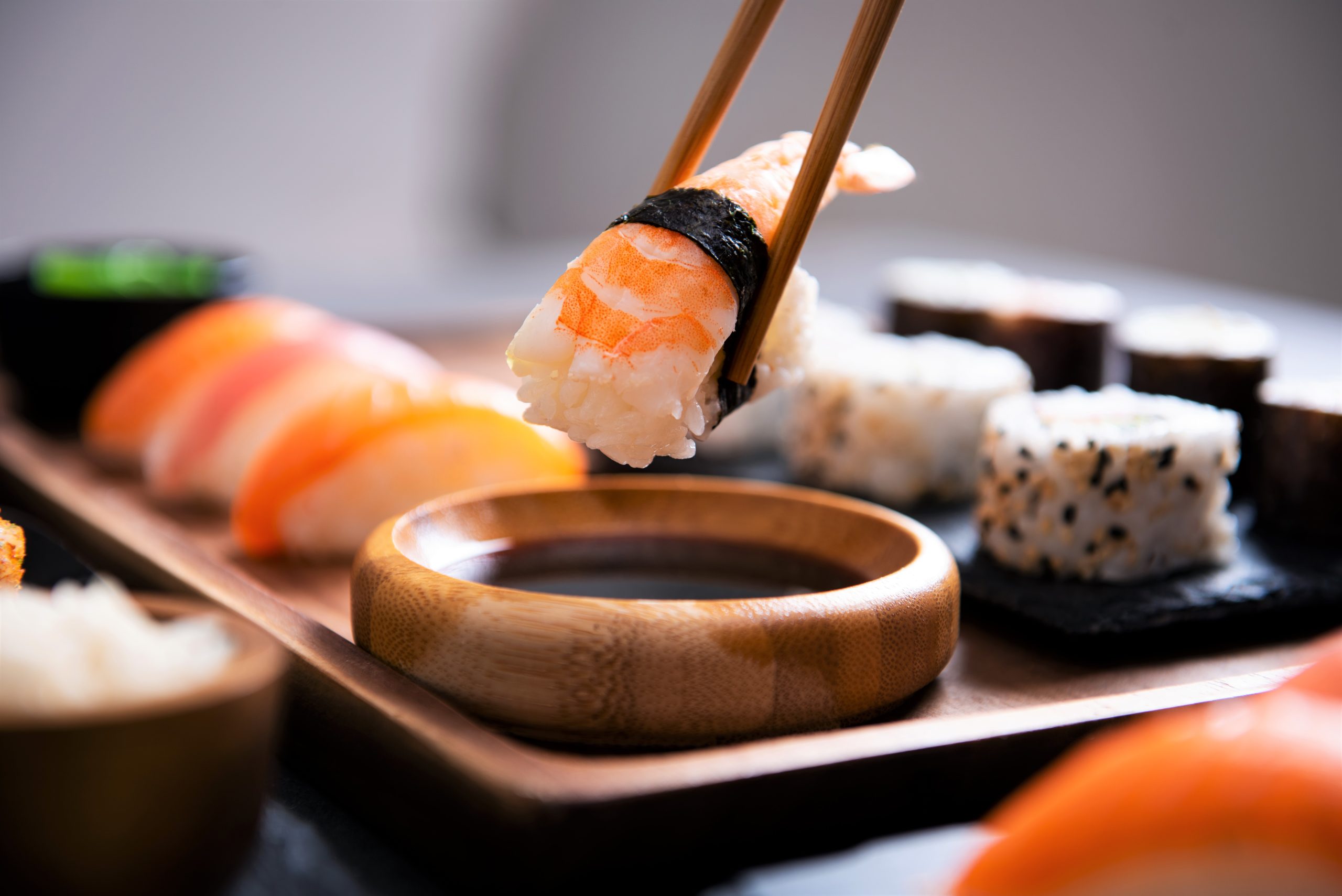
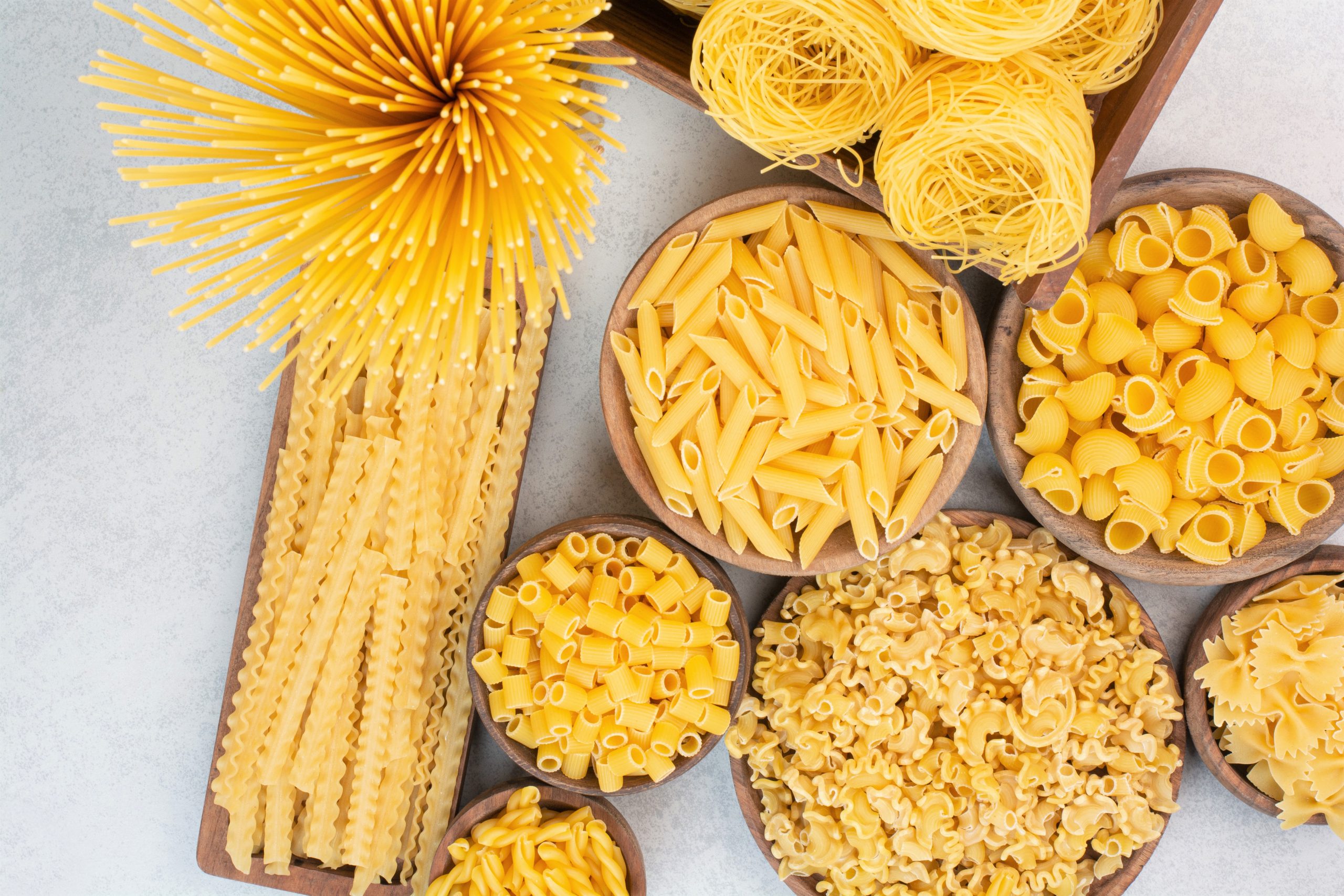
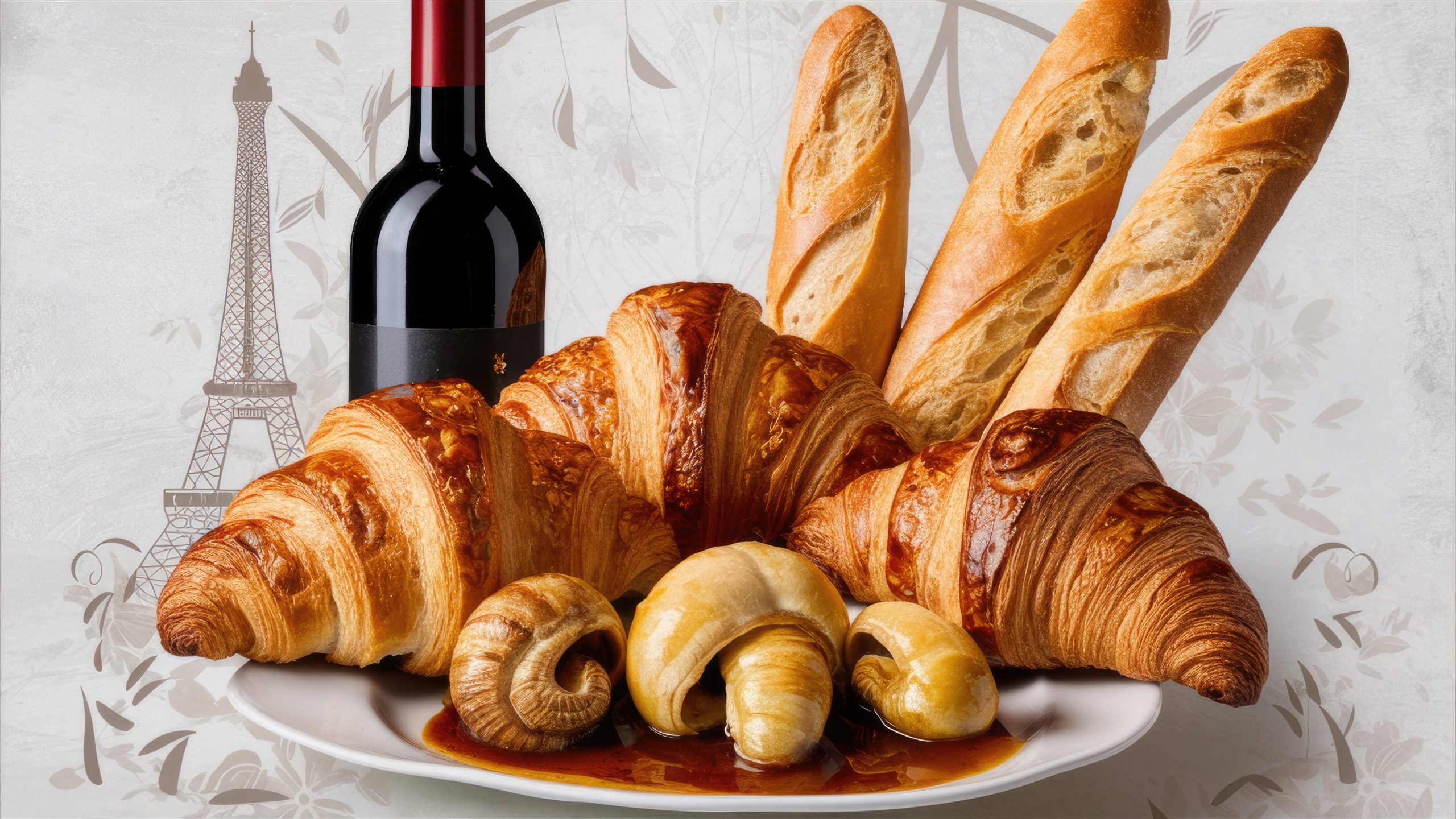
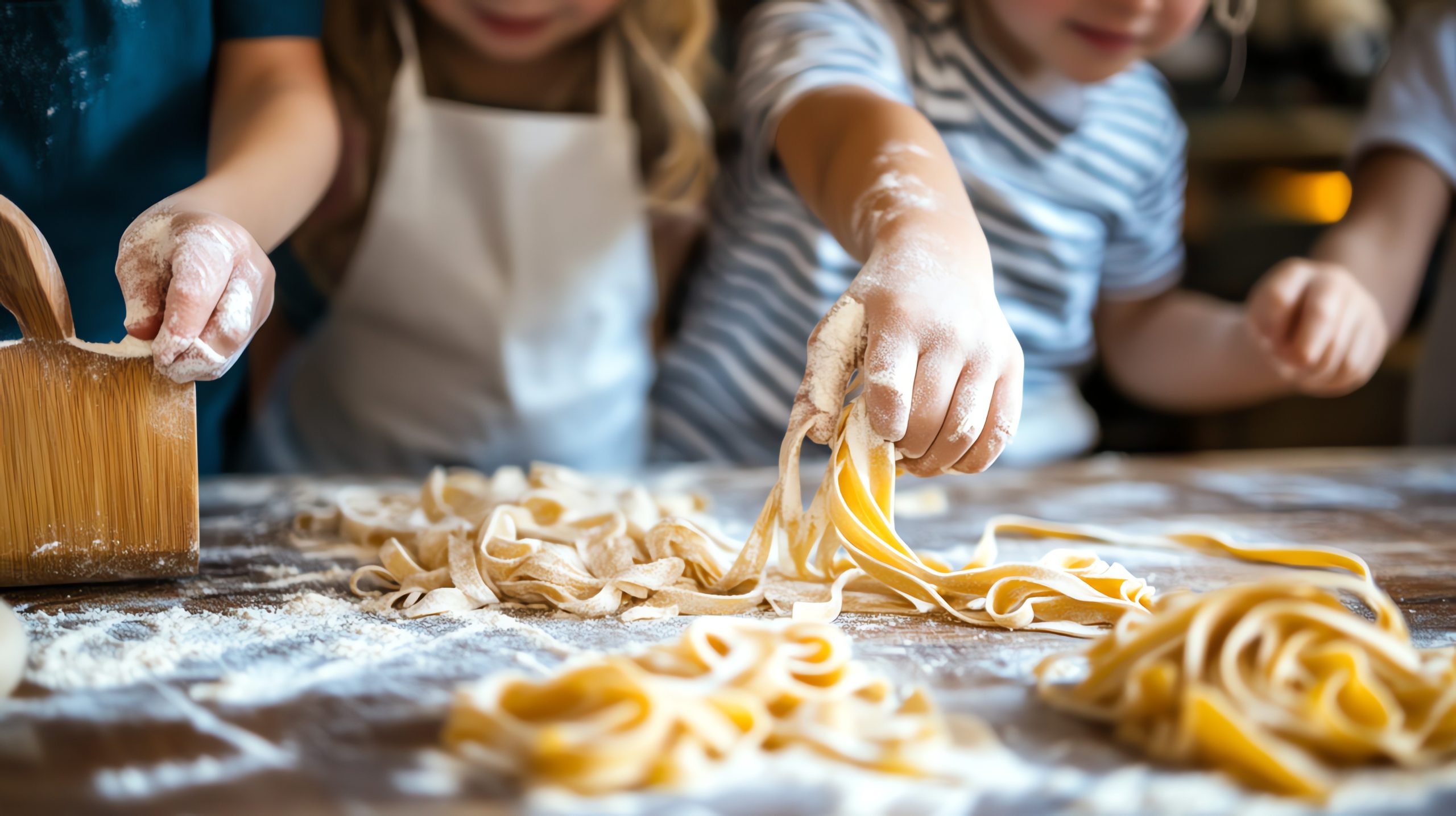
We can also incorporate cookery activities which are always extremely popular with the children.
- Animals from around the world
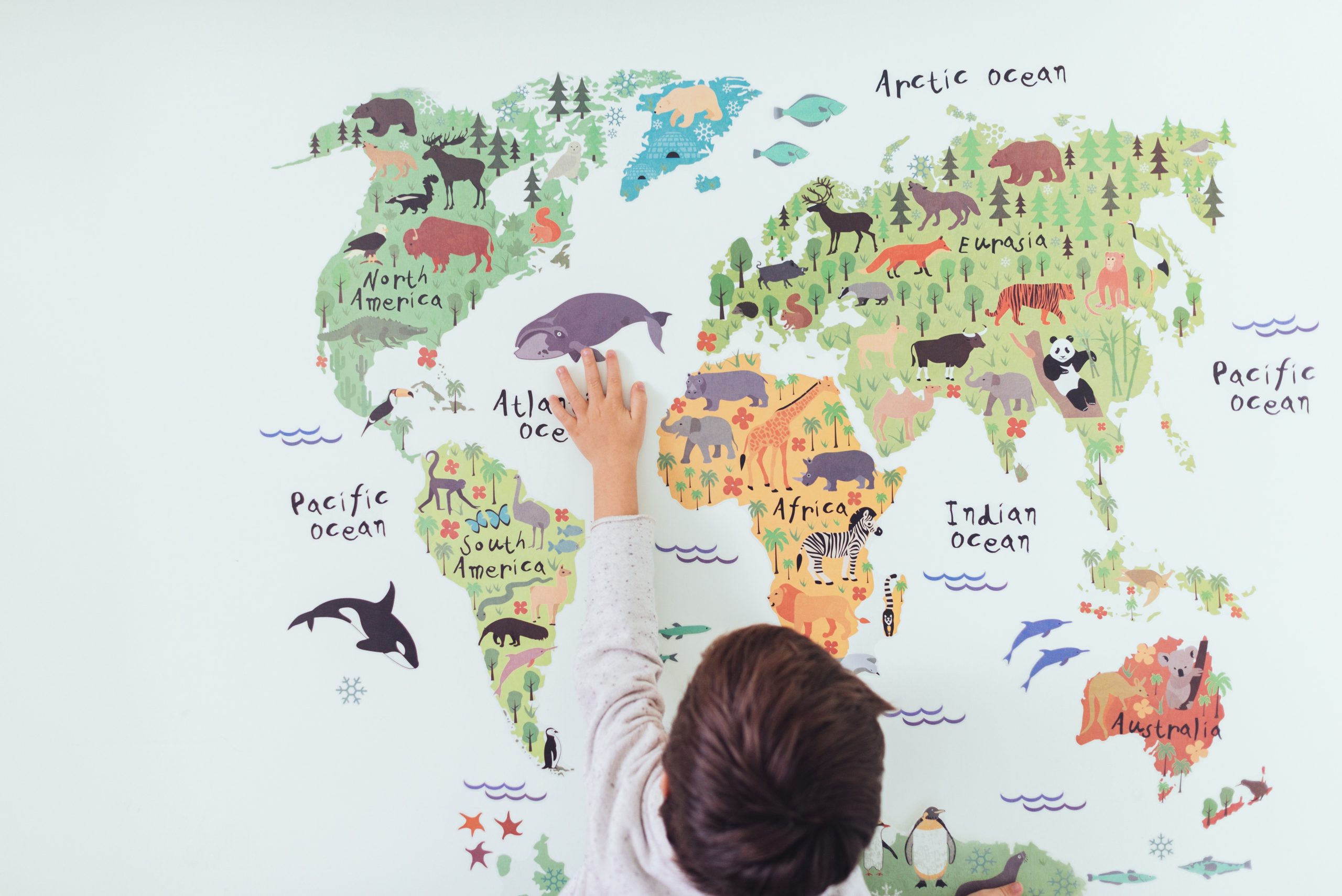
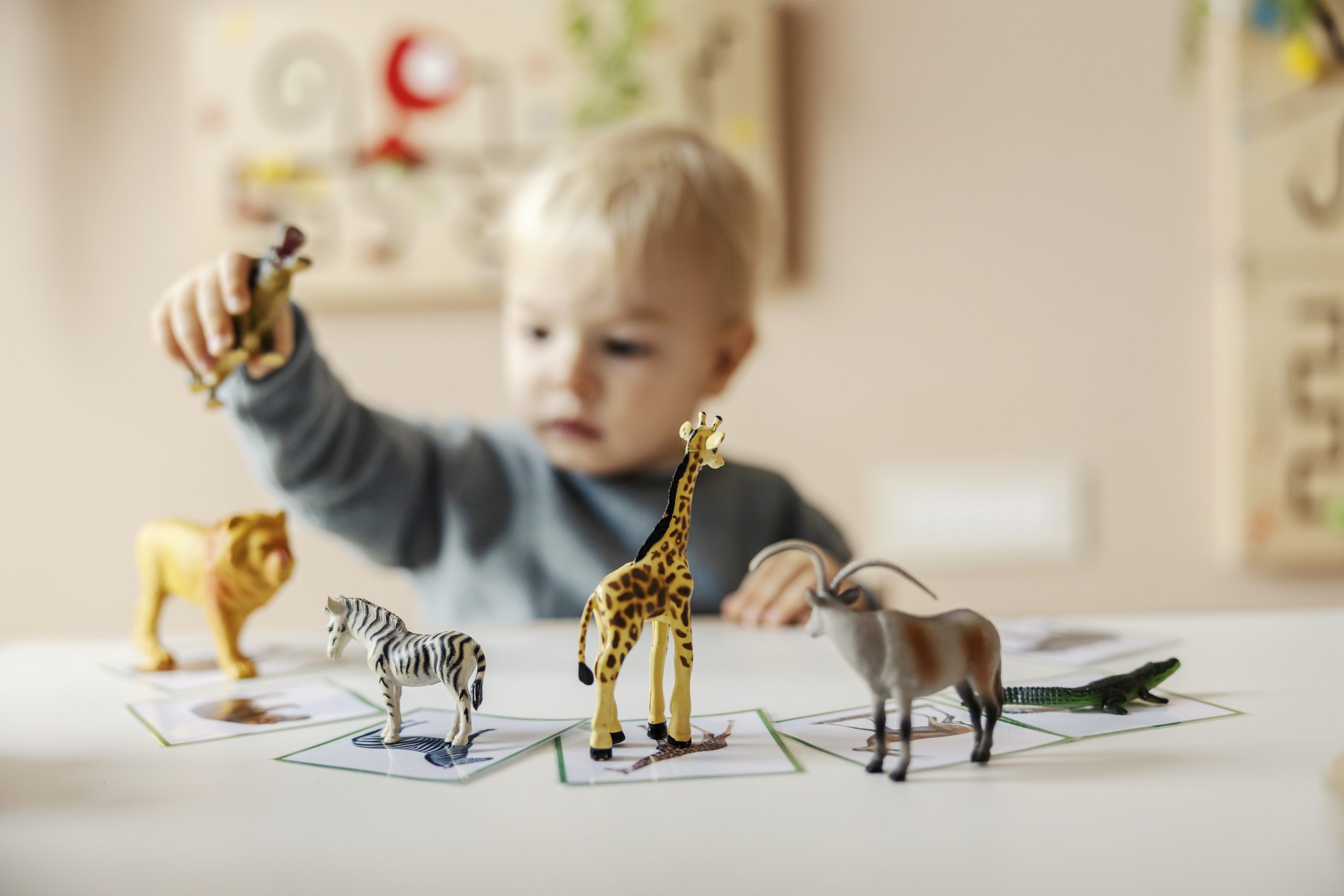
From the animals we find in the steamy, wet rainforests to the arid deserts, high mountain peaks and the ice-cold poles. Children take great delight in discovering the types of animals that can be found, what they look like, what they eat and how they move about.
We can include activities such as face painting, mask making and small world play.
- Weather
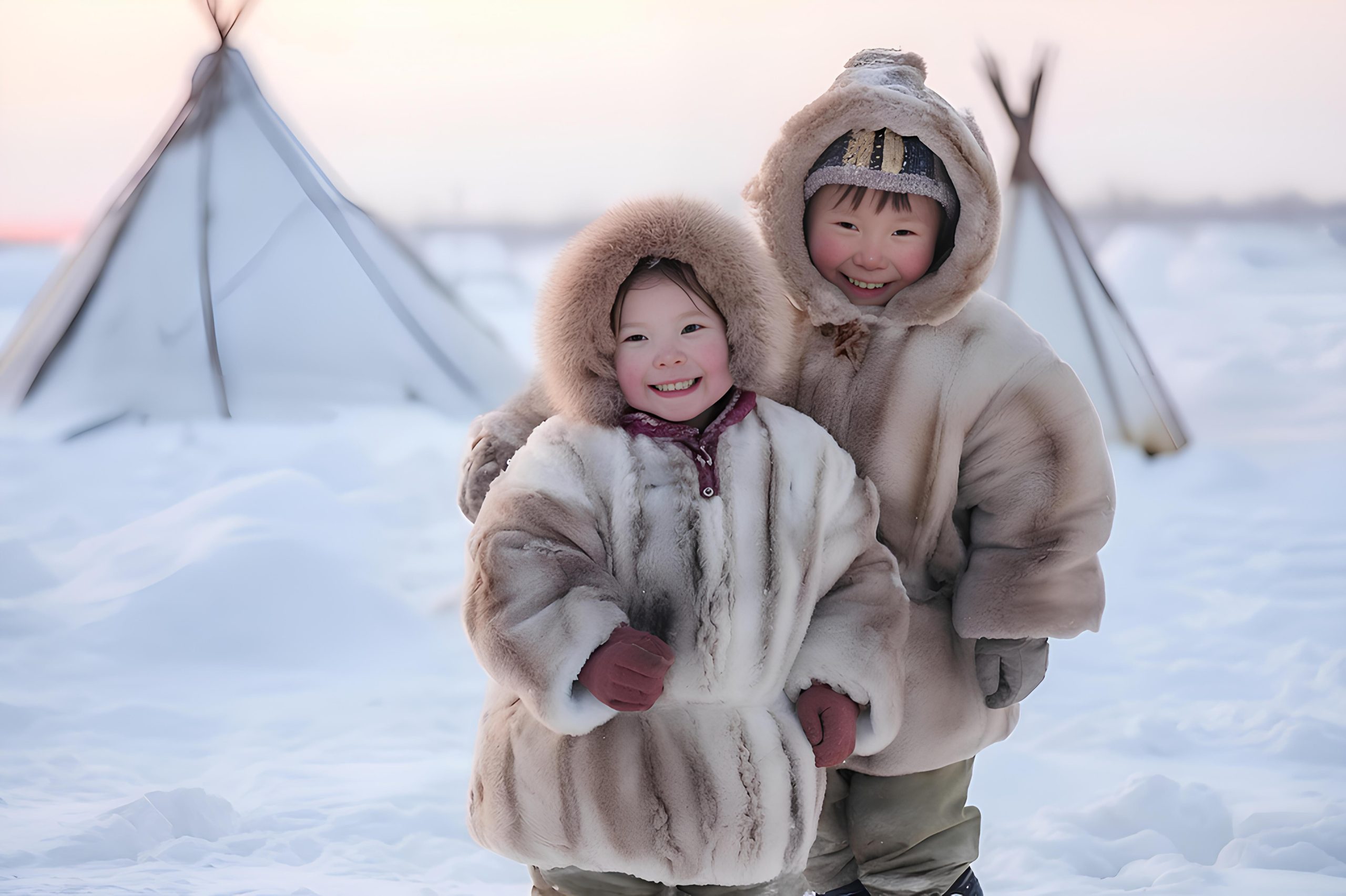
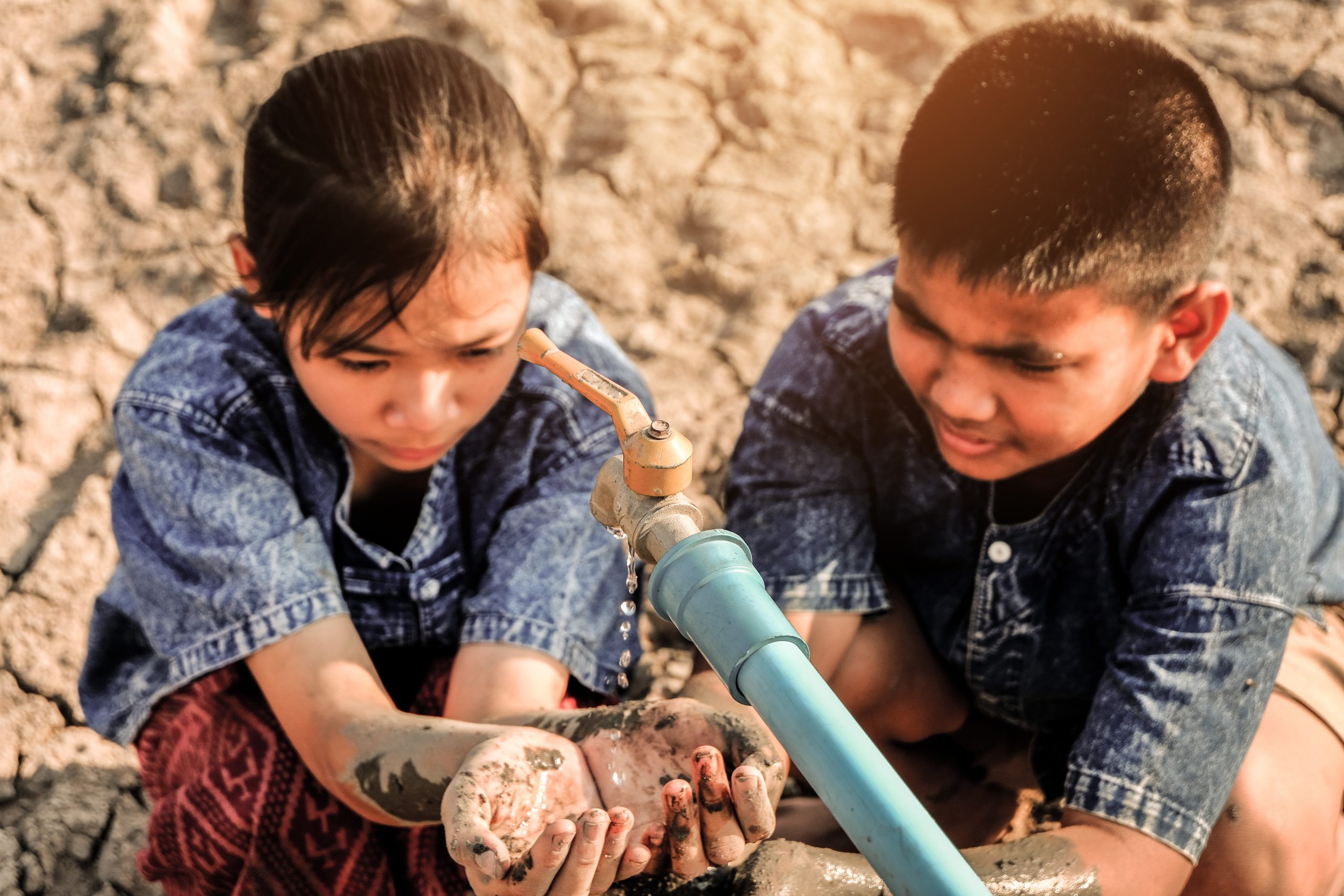
Including discussions about the different climates we find in countries around the world. How are these different to the weather we experience in the UK?
What special adaptations do humans make to live in different climates… the types of clothes we might need to wear, the different types of buildings we might find, water conservation in dry, hot regions including discussions about safety in the sun etc
Our project this term encourages many developing skills such as investigation, problem-solving, memory, nature, science, history, geography, thinking skills, emotional intelligence and understanding of cultural diversity.
Learning to respect the perspectives of others build friendships and increases an understanding of the world we live in and our sense of belonging to our community.
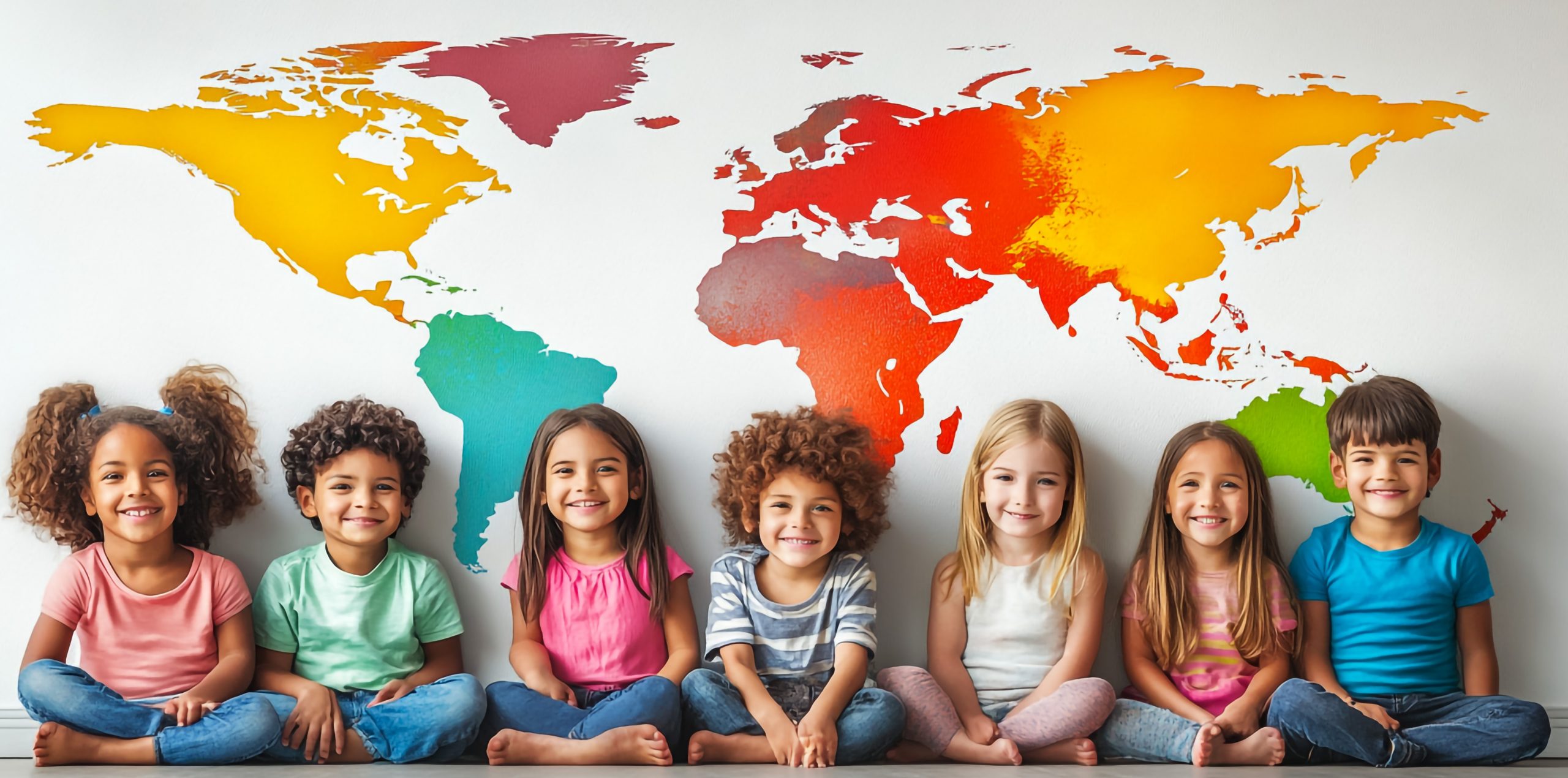
As usual, we will be led by the children, and our project will develop to include activities that cater for their own requests for topics and interests.
They take great delight in learning about other people’s countries and cultures, and we would welcome any input from our families who may have connections in other parts of the world. If you have any ideas about things that we might be able to include in this ‘Around the World’ topic, or would like to come in to talk to the children about any interesting holidays your family have taken, do please speak to a teacher.