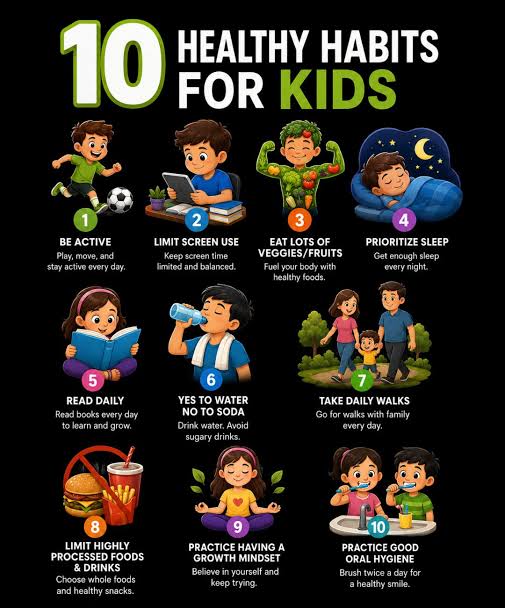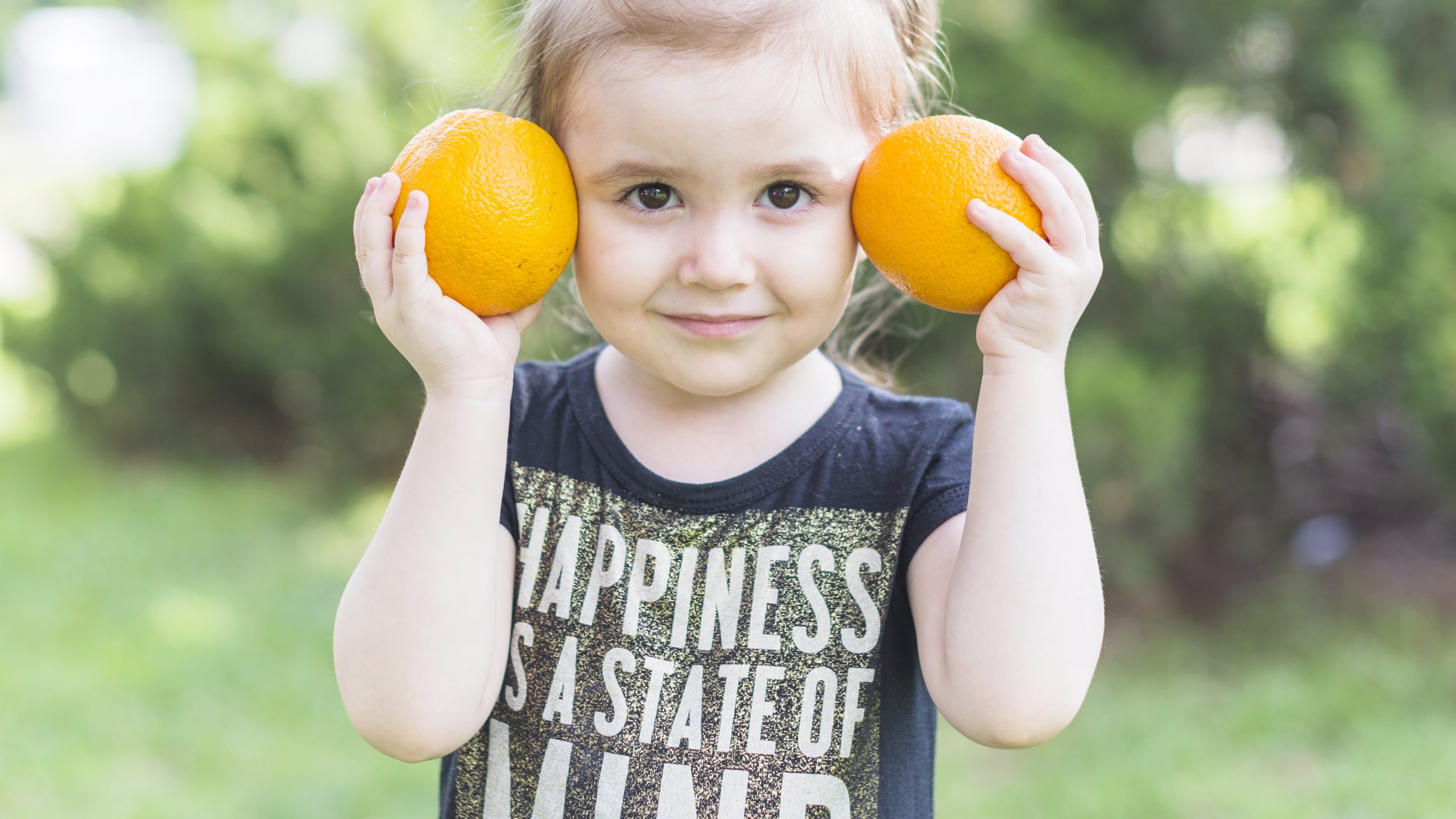
Our project for the Spring Term is “Healthy Habits”
Teaching healthy habits in the early years is vital because children’s behaviours, physical pathways, and preferences are rapidly forming during this stage, setting a trajectory for long-term health and learning.
Teaching healthy habits to pre-schoolers is particularly impactful because this is the peak stage for imaginative play, testing boundaries, and developing a sense of independence. At this age, children are highly observant and eager to copy the behaviours of adults and peers.
Key Reasons It Matters…
- Lifelong Behaviour Carries Over: Positive routines established in childhood—such as regular physical activity, balanced eating, and proper hygiene—tend to stick and continue into adolescence and adulthood.
- Prevention of Chronic Illness: Early intervention through good nutrition and active play lowers the risk of childhood and adult obesity, type 2 diabetes, heart disease, and tooth decay.
- Brain and Cognitive Development: Adequate nutrition and movement support a young child’s brain development, concentration, memory, and energy levels.
- Physical Strength and Coordination: Movement play, and outdoor exercise build strong bones, muscles, and fine or gross motor skills needed for later tasks like writing and dressing.
- Better Self-Care and Independence: Daily practice with routines like handwashing, brushing teeth, and self-feeding fosters personal autonomy and safety awareness.
- Improved Learning Readiness: The Early Years Foundation Stage (EYFS) highlights that children learn best when they are healthy, safe, and secure.
Core Focus Areas for Preschoolers…
Nutrition & Adventure Eating:
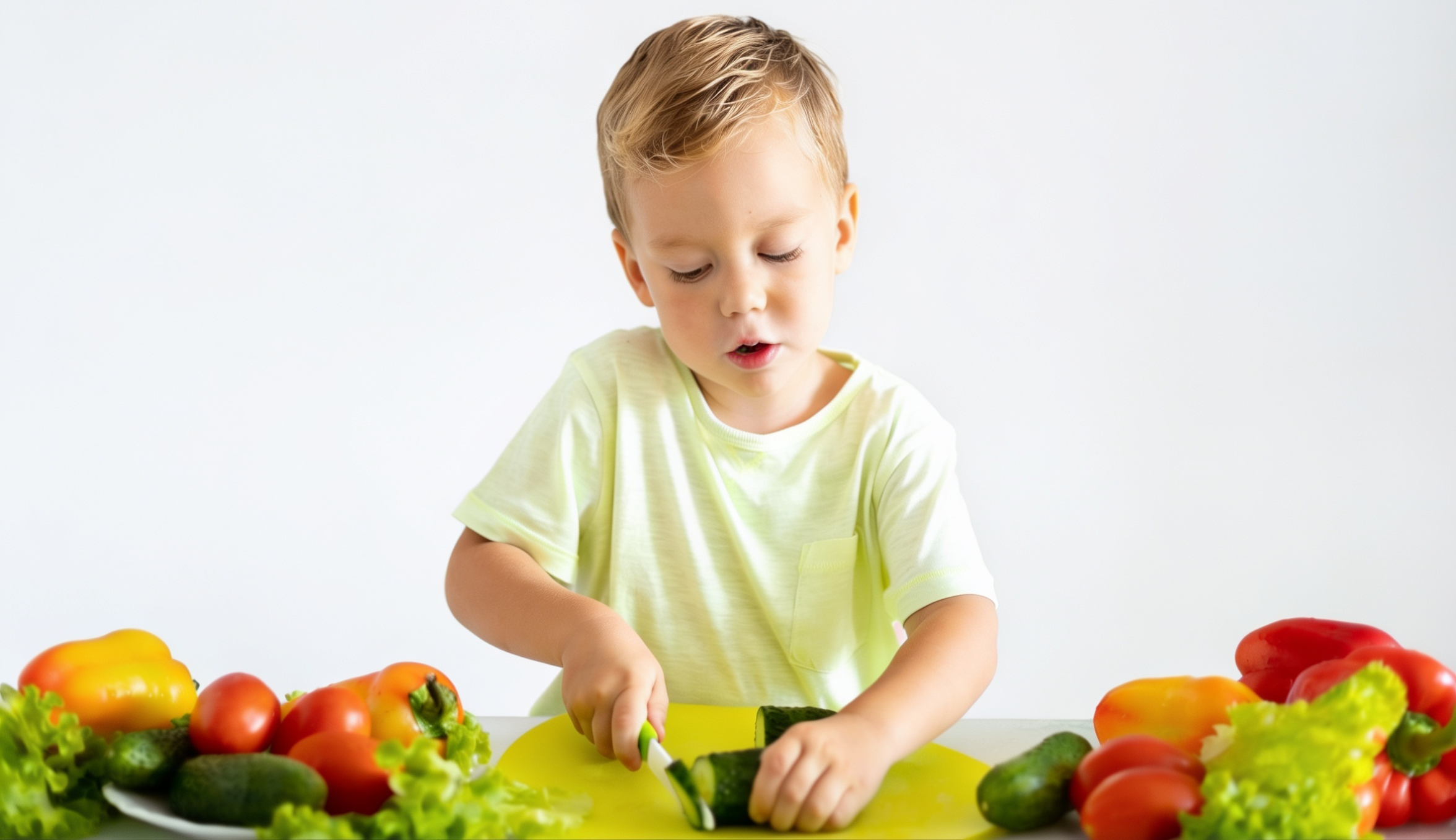
Teaching children about the importance of healthy food in the early years builds a vital foundation for lifelong health, preventing diet-related diseases and supporting rapid brain development. It helps form positive eating behaviours early, ensures they get the essential nutrients they need to grow, and fosters both cognitive and motor skills through hands-on learning.
Levels of childhood obesity in England are amongst the highest in the developed world, with almost one in four children being overweight or obese before they start school. Children who are overweight or obese in childhood are more likely to become obese adults.
Children’s food preferences and eating habits are formed early in life and the time that they spend in early years settings provide an ideal opportunity to shape healthy behaviours, providing several distinct benefits:
- Habits formed as toddlers are often carried into later childhood and adulthood. Early exposure to a wide variety of flavours and textures increases their willingness to accept new, healthy foods.
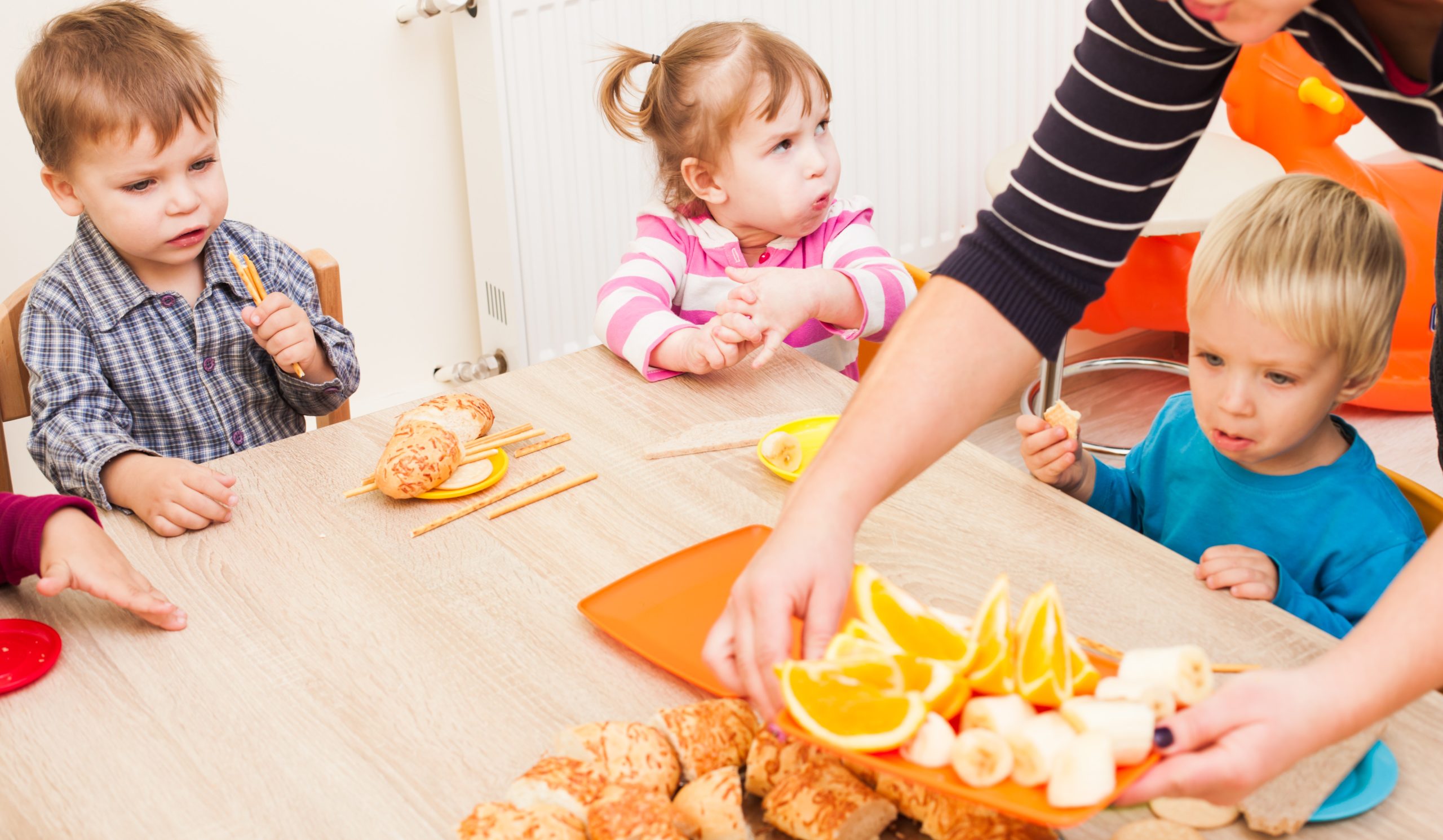
- Supporting Brain and Body Growth: Young children experience rapid physical and cognitive development. Proper nutrition fuels brain development, builds strong bones and muscles, and ensures they have the energy required for learning and playing.
- Building a Positive Relationship with Food: Teaching children about food in a fun, pressure-free way helps prevent picky eating and reduces mealtime anxiety.
- Preventing Future Health Issues: A balanced, nutritious diet protects teeth, supports a healthy gut microbiome, and helps prevent long-term health risks.
- Enhancing Learning Opportunities: Food activities act as a fantastic educational tool. They build confidence, expand vocabulary, and help children learn numbers (counting and measuring), colour recognition and science (mixing and heating).
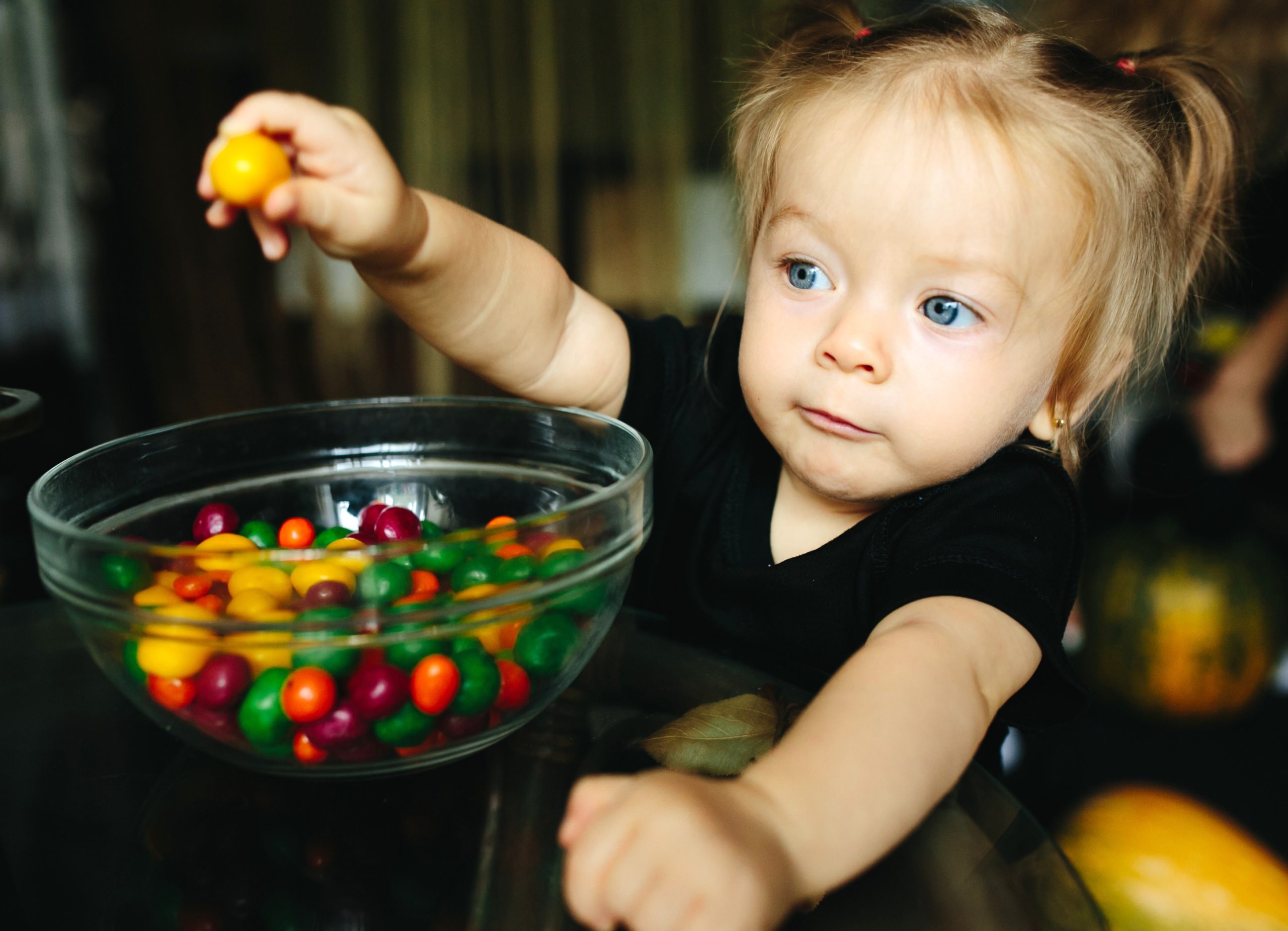
Involve your preschooler in the kitchen by letting them wash vegetables, stir batters, or tear lettuce leaves. This hands-on experience encourages them to try new tastes and textures.
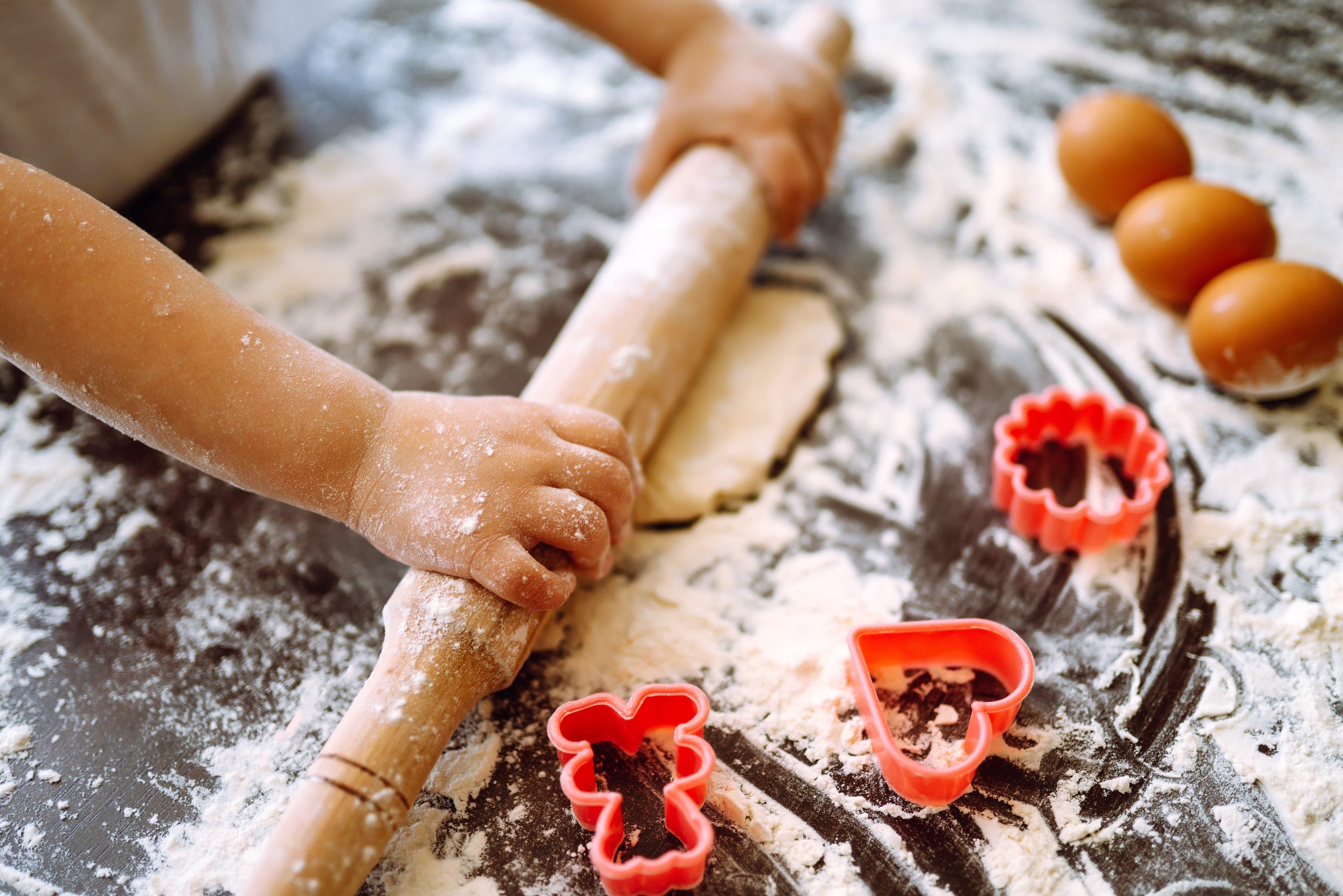
The “One-Bite” Rule encourages them to try new foods without pressure. Use playful descriptions (e.g., “crunchy like a carrot”, “sweet like a berry”) rather than labelling foods as “good” or “bad.”
Let them practice scooping their own portions to help them tune into their natural hunger and fullness cues.
Hygiene and self-care:
- Independent Brushing: Preschoolers want to do things “by myself.” Allow them to brush their teeth first and then follow up to ensure it is thorough.
Oral health is included in the EYFS, and particularly at a time when NHS dental care is sometimes difficult to access, we will be talking to the children about the importance of looking after our teeth.
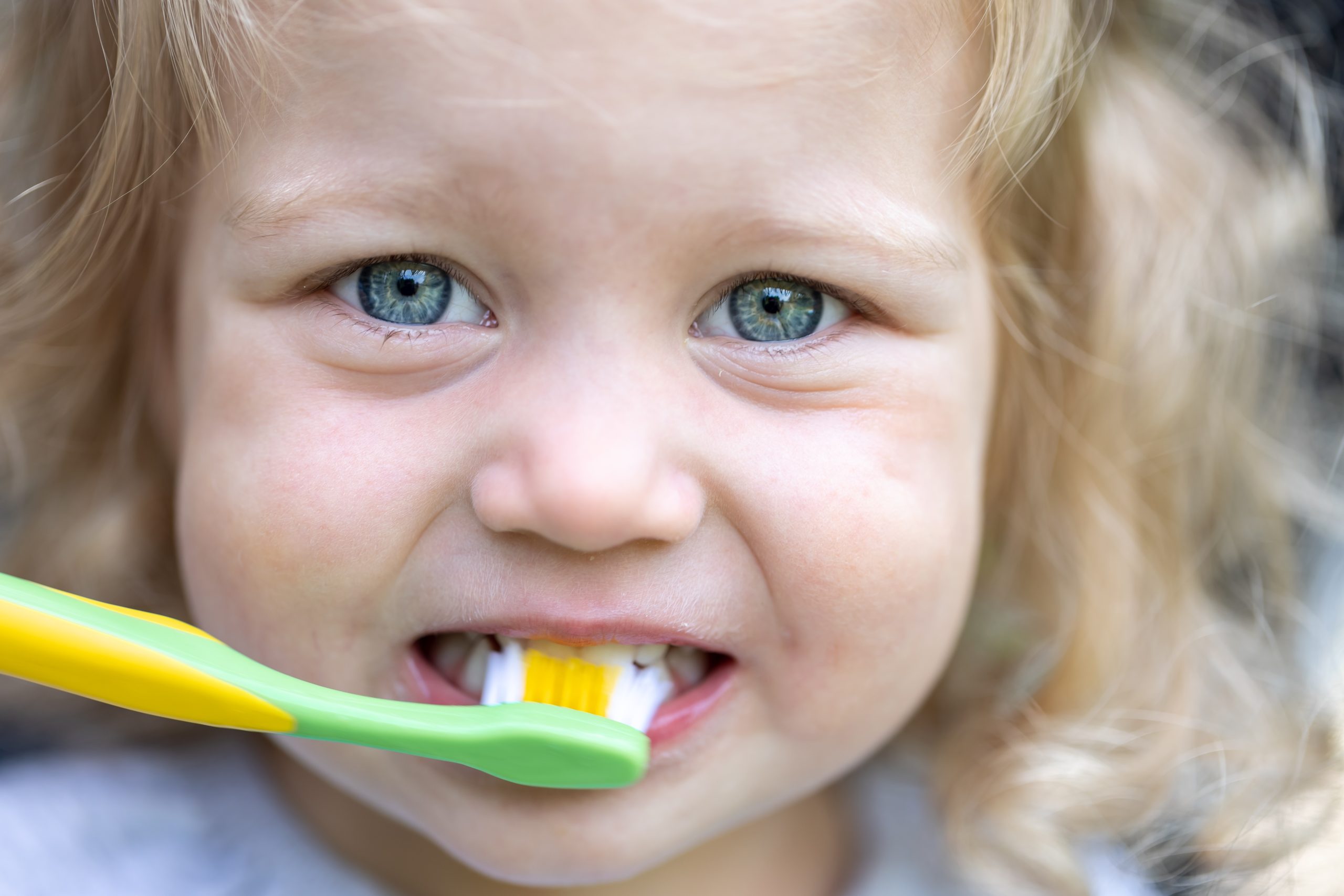
This involves educating them about healthy habits, such as brushing teeth with fluoride toothpaste and limiting sugary foods and drinks. We will also be encouraging children to think about dental check-ups as a positive experience with role play and talking about the sounds and sights they might experience at the dental surgery.
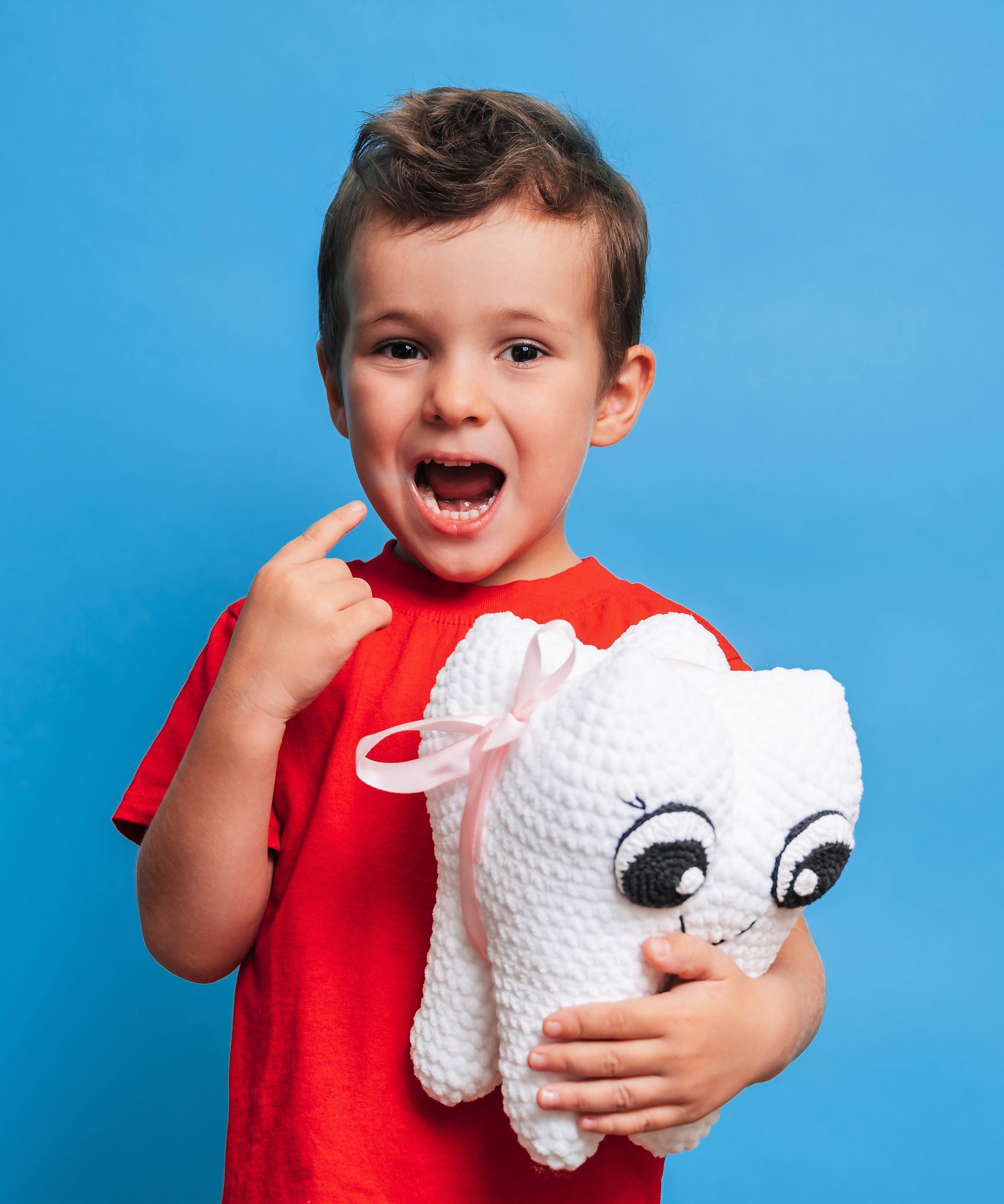
- Handwashing Routines: We teach them to wash their hands for a full 20 seconds (the time it takes to sing “Happy Birthday” or “Twinkle, Twinkle” twice) after using the toilet and before meals.
Physical Activity & Active Play:
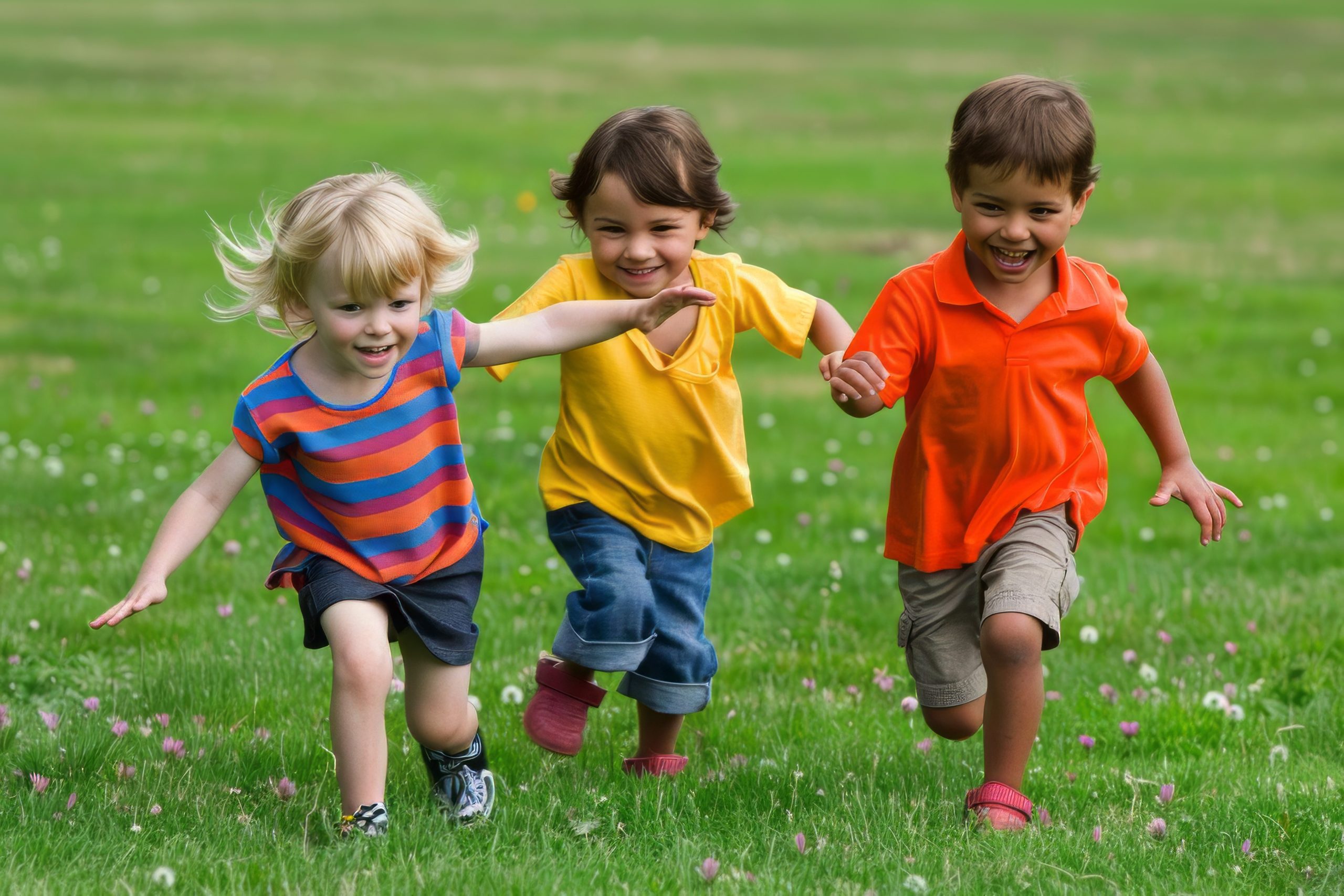
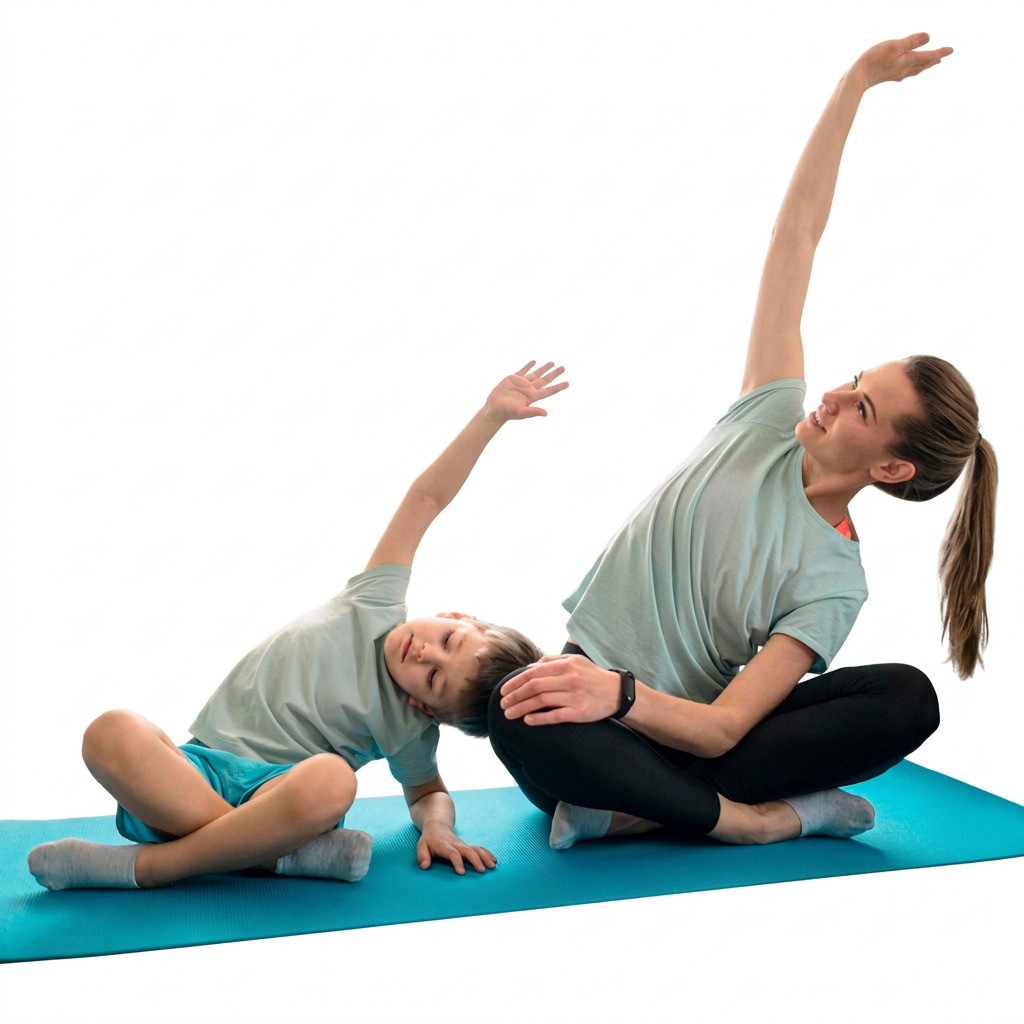
Fundamental Movement: Motor skills are developed by learning skills like jumping, hopping, and throwing, which are essential for later physical activity and daily tasks. Activities like balancing on one foot or catching a ball enhance hand-eye coordination and spatial awareness.
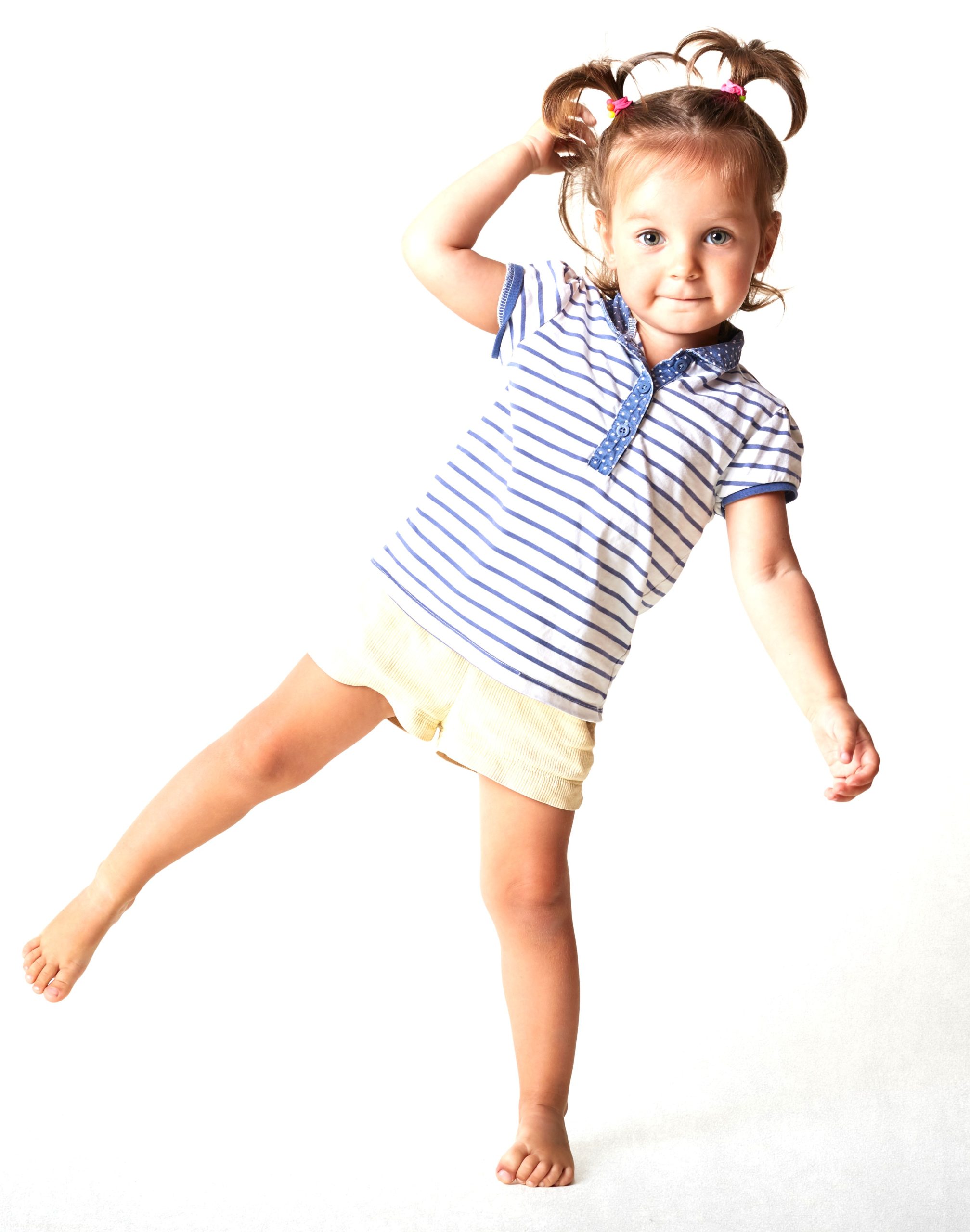
Our fantastic Blast Sport sessions are a great way to introduce children to more structured sports, benefiting them in a multitude of ways and particularly helping to promote team building and self-confidence. Dancing with Claire is incredibly popular with our children and helps to encourage movement to music and some simple gymnastics, while having the best of fun!
We also allow our children to explore more risky play. Risky play in the early years helps children to naturally build confidence, resilience, and independent problem-solving skills. By safely navigating controlled challenges like climbing and balancing children learn to assess their own abilities, manage their fears, and understand the consequences of their actions.
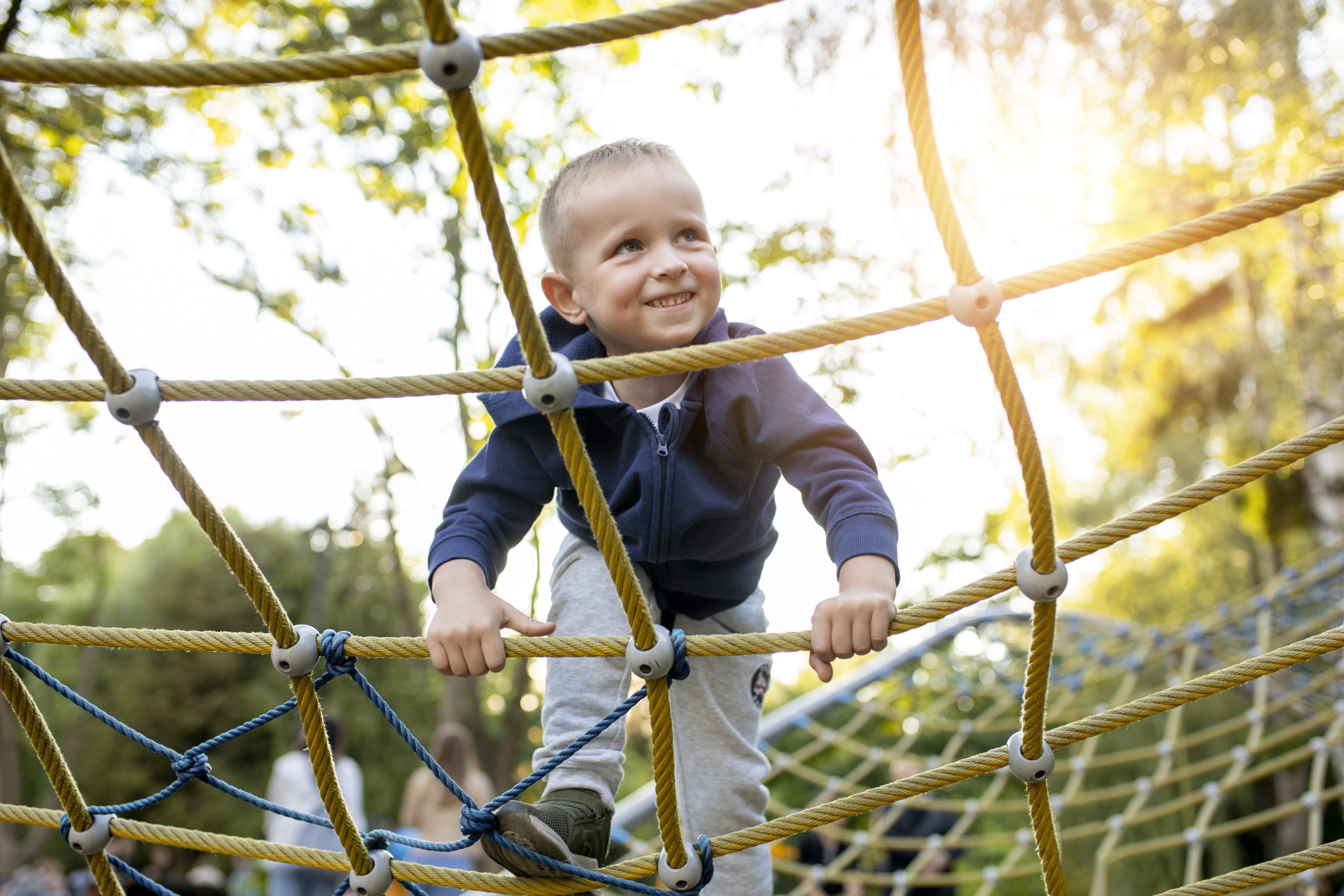
- Screen Time Boundaries: Keeping recreational screen time structured and limited and replacing it with active, imaginative play builds physical coordination and strength.
Sleep & Emotional Well-being:
Predictable Bedtimes: Establishing a soothing wind-down routine with your child (e.g., bath, book, bed) helps to give them the 10–13 hours of sleep their growing brains require.

- Mindfulness and well-being: Naming feelings helps children to identify and label big emotions, laying the foundation for mental well-being and self-regulation. By understanding their feelings, young children can replace frustrated, disruptive behaviours with the ability to communicate, show empathy, and manage disappointments—laying the crucial foundation for lifelong mental health and wellbeing, resilience, and success.
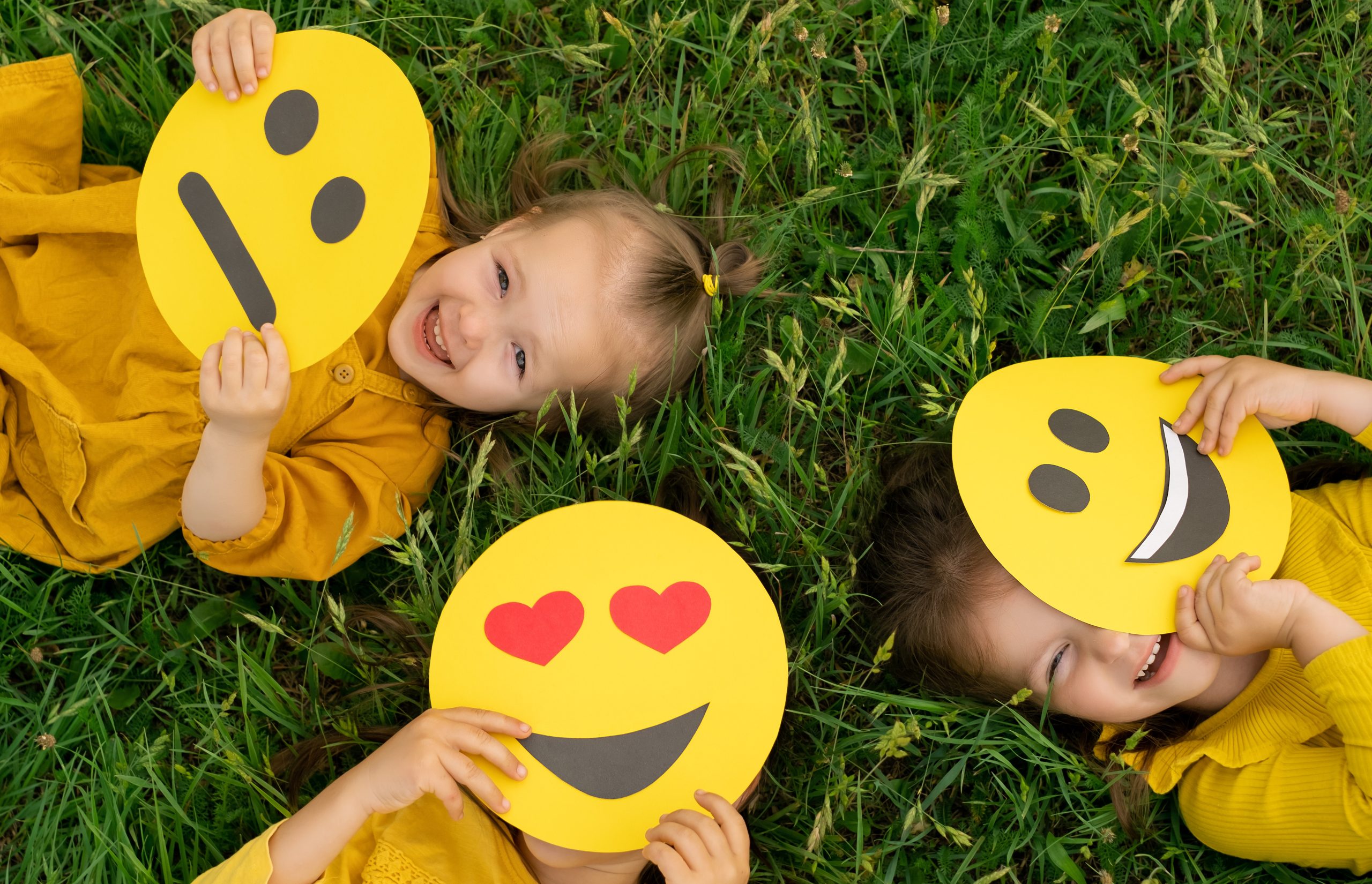
Learning about their emotions can reduce frustration and meltdowns. Children often feel intense physical sensations (like “butterflies” in their tummy or a racing heart) but don’t know what they mean. Naming the emotion gives them a tool to communicate their needs instead of acting out. This in turn builds self-regulation. When children recognize that they feel angry or sad we can introduce them to calm-down strategies. Understanding their own feelings helps children read facial expressions and body language in others leading to better sharing, conflict resolution, and stronger friendships.
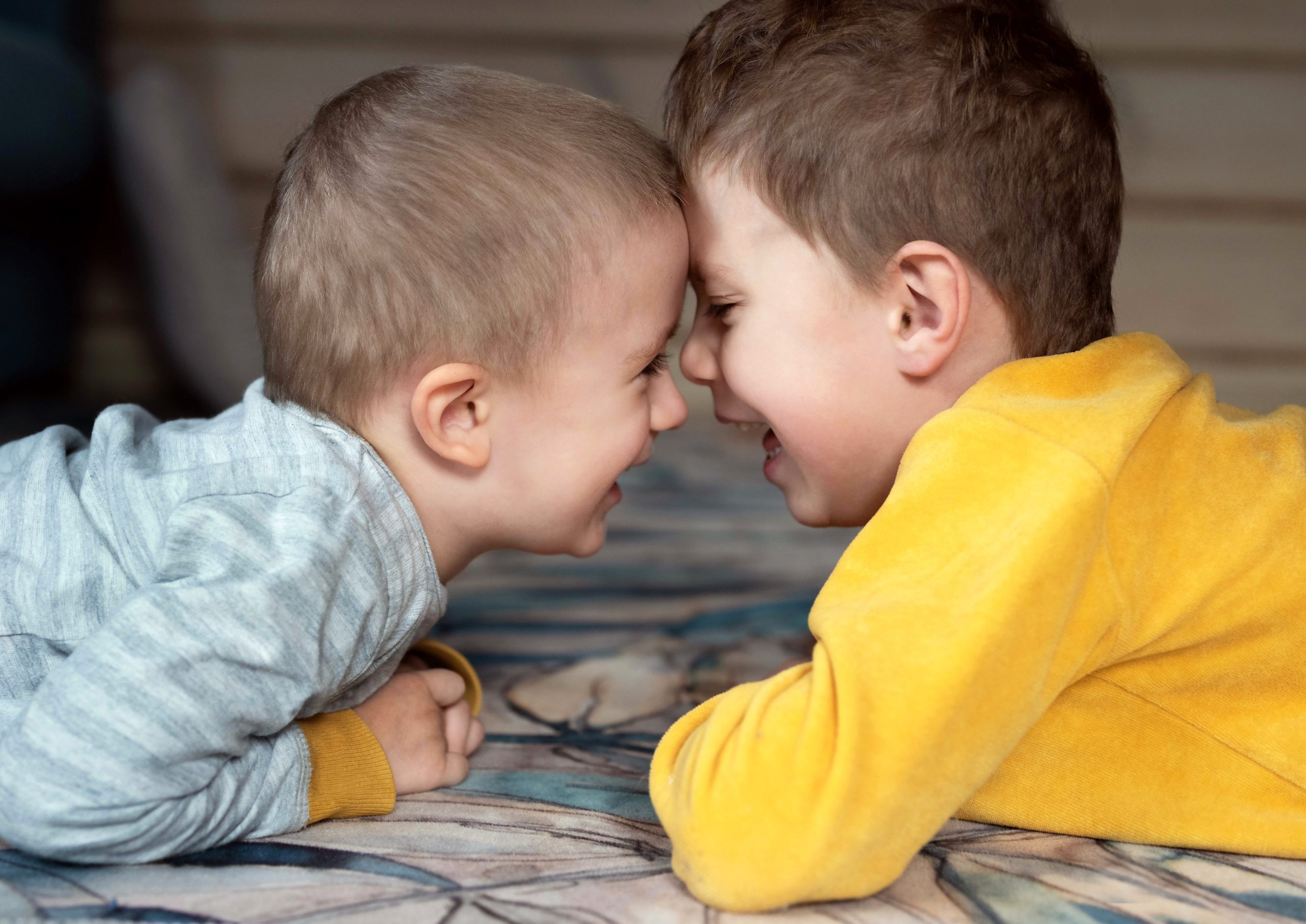
How to make it stick – Preschooler strategies for Healthy Habits…
- Role Modelling: Preschoolers are master imitators; they will do what you do far more readily than what you say.
- Gamification: Turn chores and routines into games (e.g. “Race you to the sink to wash hands!” or “Let’s see who can throw the ball the furthest”).
- Visual Schedules: Using simple picture charts showing the morning or bedtime routine so they can take pride in checking off each step themselves.
As always, we would welcome your input to the children’s project this term. If you have any ideas that would support our discussions about Healthy Habits, please speak to a member of staff.
We’re looking forward to a healthy and happy Spring Term!