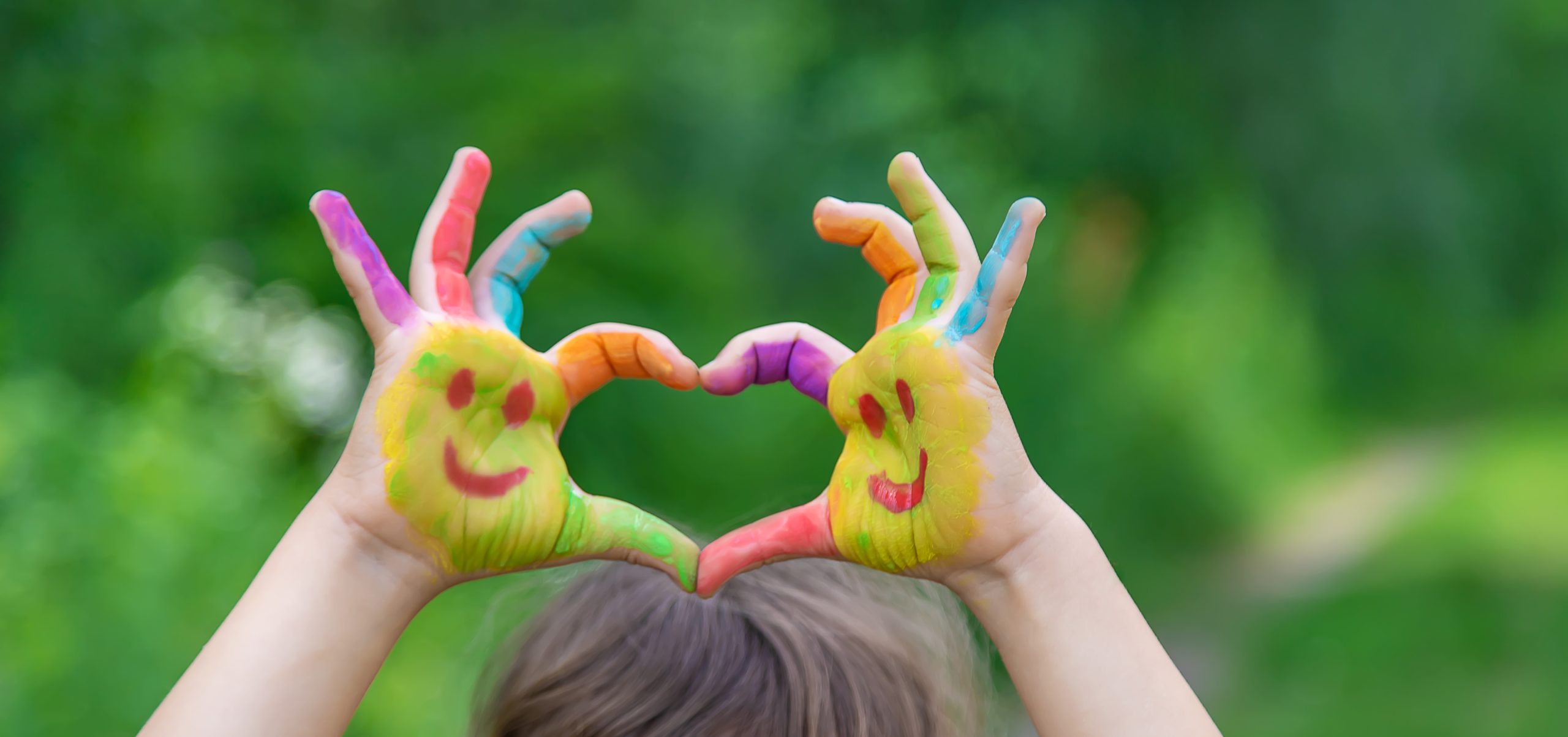
We will be kicking off the Autumn Term with our project ‘All About Me!’
We will be starting off with a very popular project for the start of the new academic year, which is perfect for us to learn about your child, and your child to learn about us. Friends old and new will discover each other, and the things that we like and don’t like. We will be helping the children to learn all about themselves, their feelings and their bodies.
‘All About Me’ helps children with discovering themselves as individuals. What makes us different or similar to others? This topic allows opportunities for incorporating learning about our families and their pets, health, emotions and wellbeing and promotes acceptance of others who may have different cultures and beliefs to our own.
Learning about ourselves is a fundamental part of childhood development, especially as children start to ask questions about who they are and how they are the same, or different, from others.
Teaching young children about family establishes their first framework for understanding the world. It helps them build a sense of belonging, develop emotional security, and learn how to form healthy relationships with others. Exploring family dynamics also introduces vital vocabulary and an appreciation for diverse cultures and backgrounds
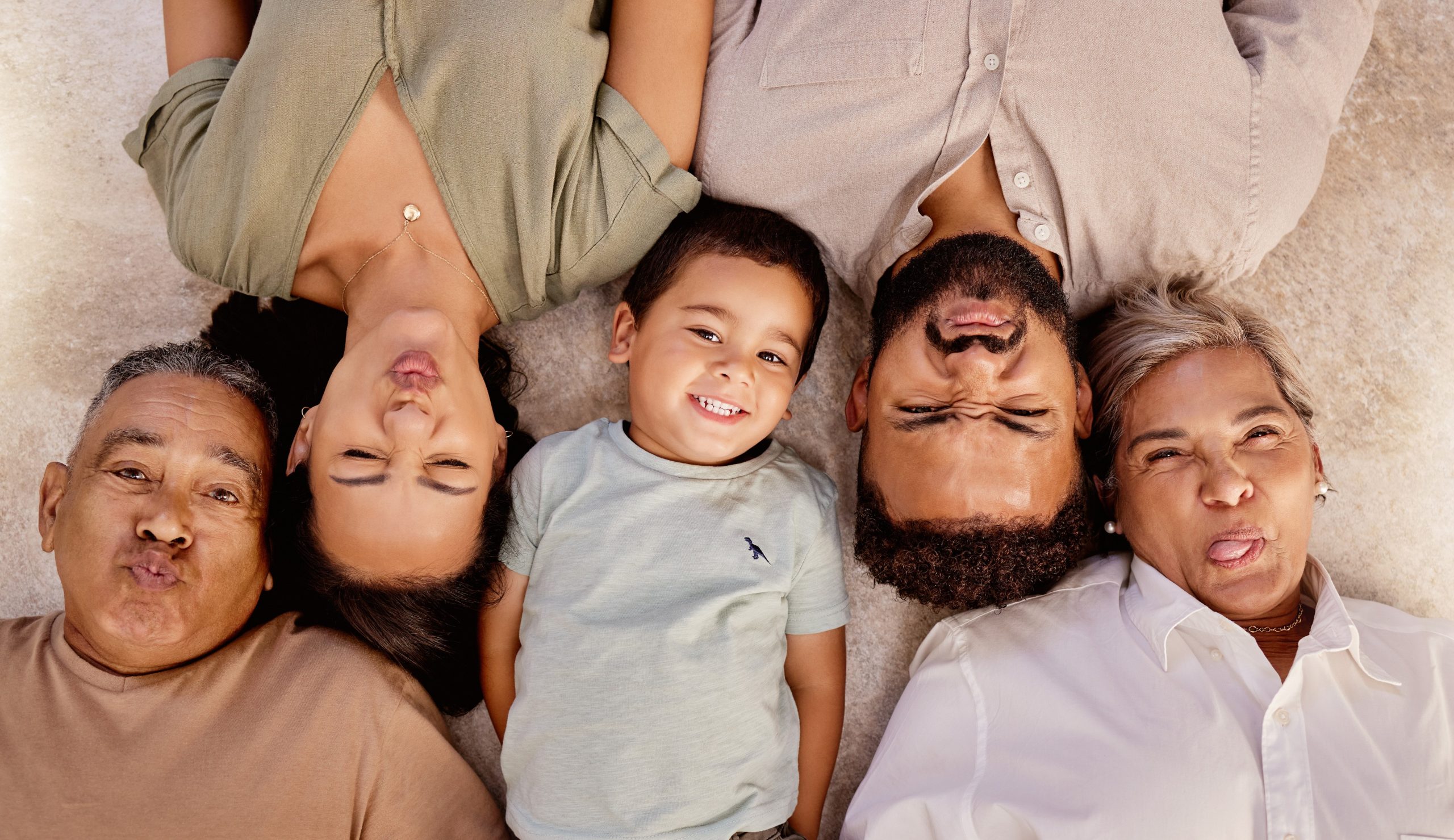
Family can mean something different to different children, and in nursery we start to look at what these differences might be. Do our friends’ families look like our own?
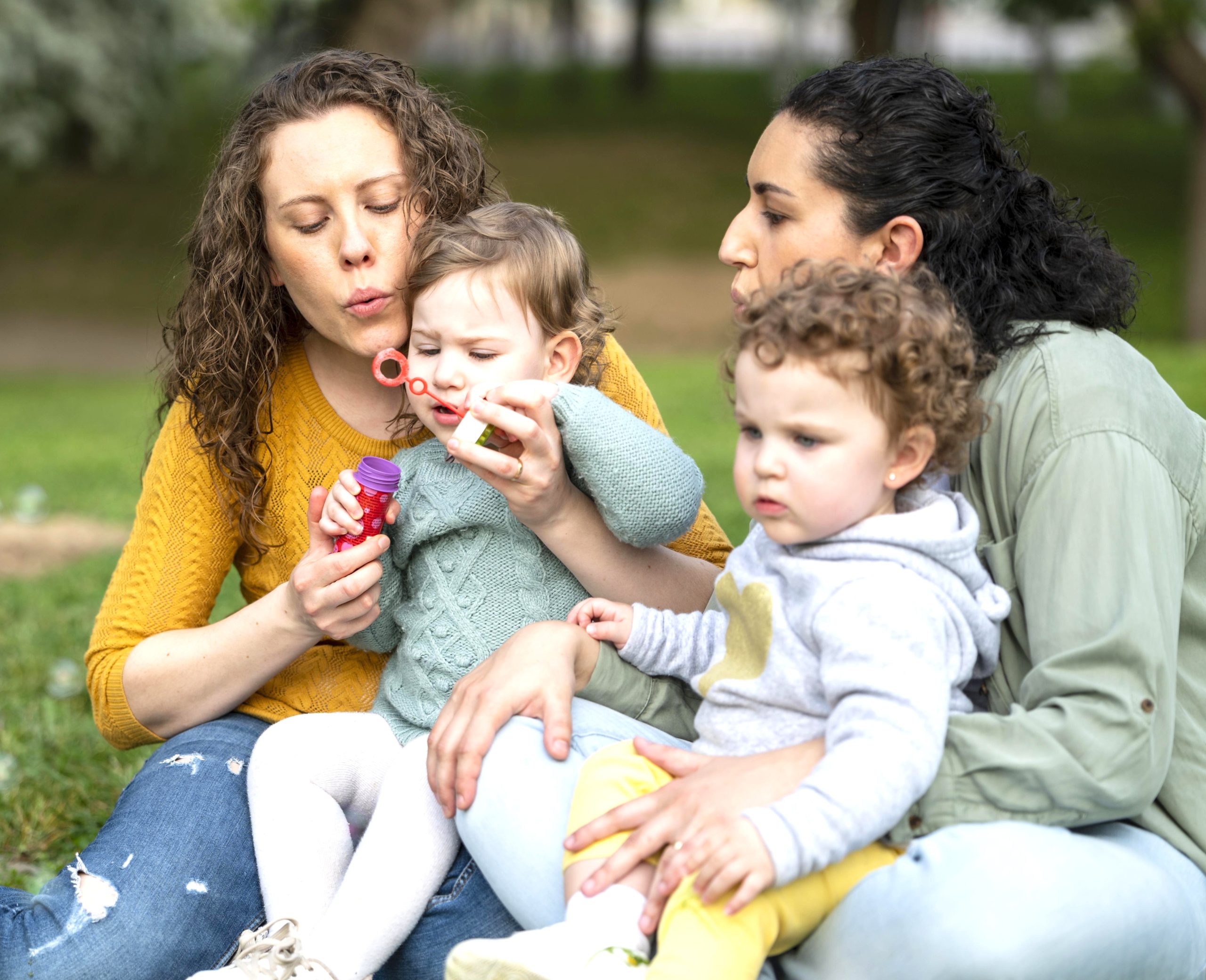
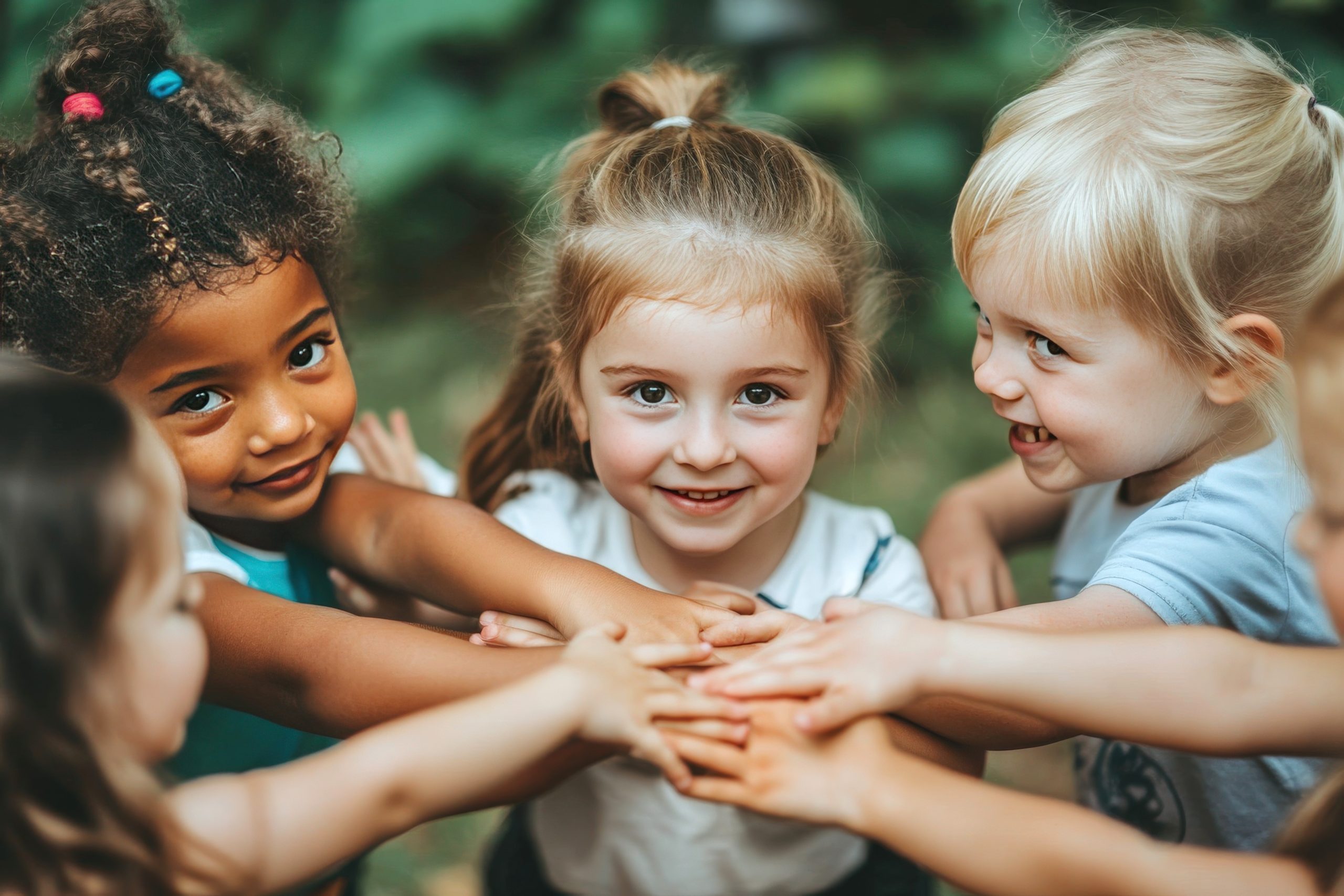
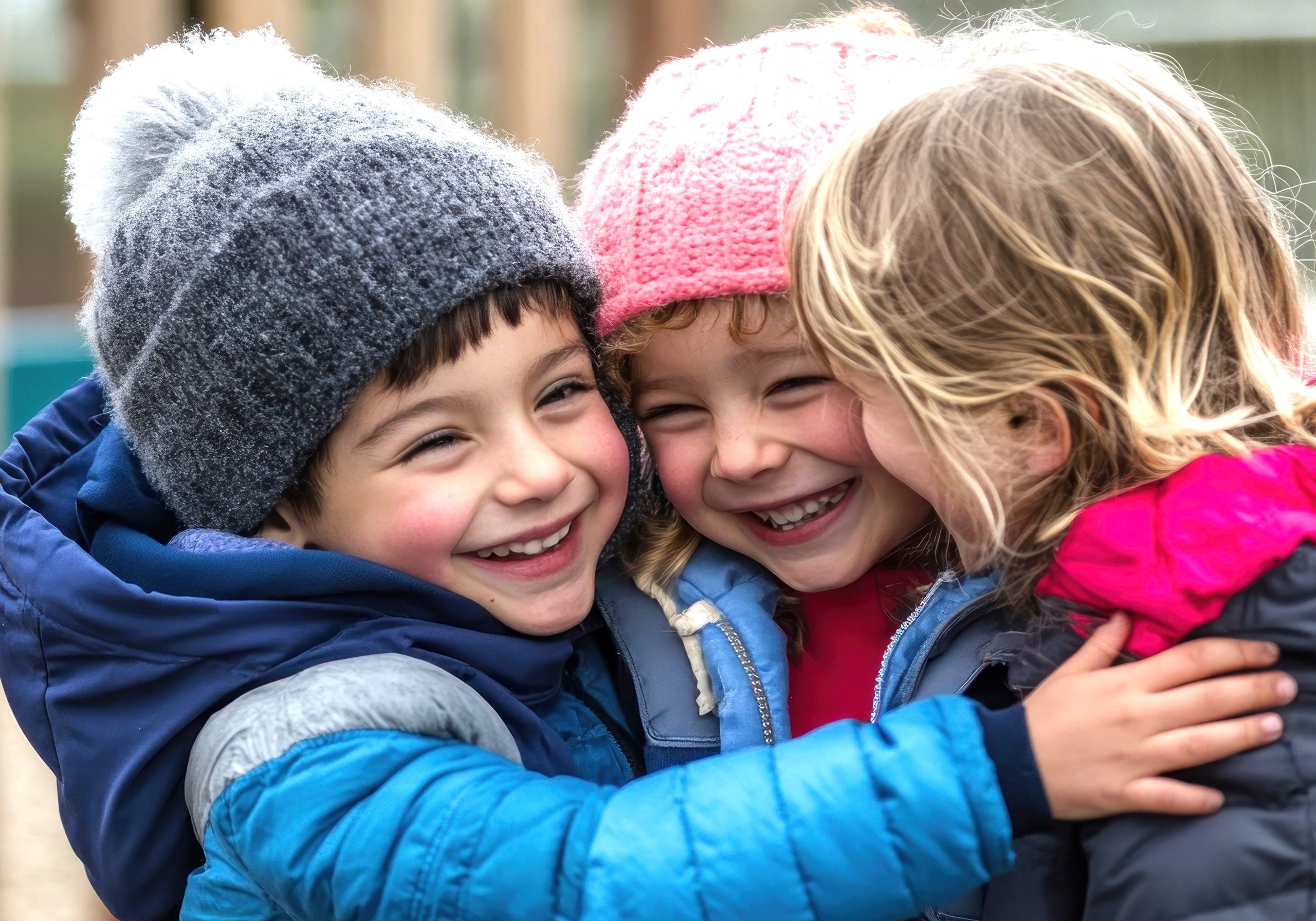
Friendships build the foundations of emotional intelligence and social development. Learning to navigate peers at a young age directly helps children practice empathy, develop communication skills, and resolve conflicts safely.
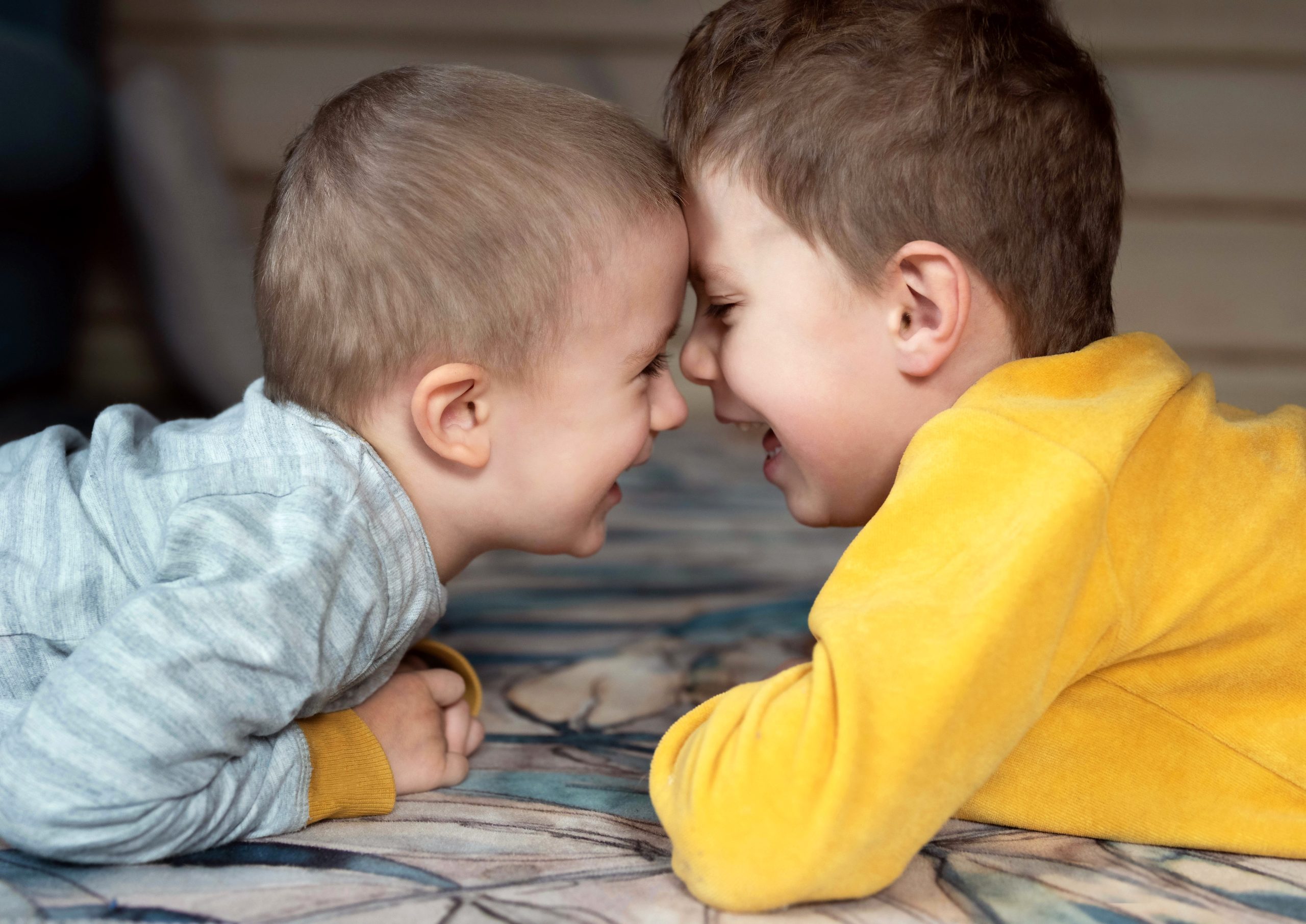
Early years friendship education focuses on several core skills to aid childhood development:
- Empathy: Children learn to recognize and respect the feelings of others, understanding how their own actions impact those around them.
- Sharing and Turn-Taking: Simple acts of sharing toys and participating in group activities teach basic cooperation and patience.
- Communication: Group play and social stories encourage children to listen to their peers, express their own needs, and negotiate rules.
- Conflict Resolution: Guiding children through minor disagreements helps them manage frustration and develop emotional control without aggression.
- Confidence and Belonging: Positive peer relationships provide emotional security, which increases a child’s self-esteem and makes adapting to new environments (like nursery or school) much easier.
As part of our ‘All about me’ project we can also teach our children about emotions to build emotional literacy and self-regulation. By understanding and naming their feelings, young children can replace frustrated, disruptive behaviours with the ability to communicate, show empathy, and manage disappointments—laying the crucial foundation for lifelong mental health and wellbeing, resilience, and success.
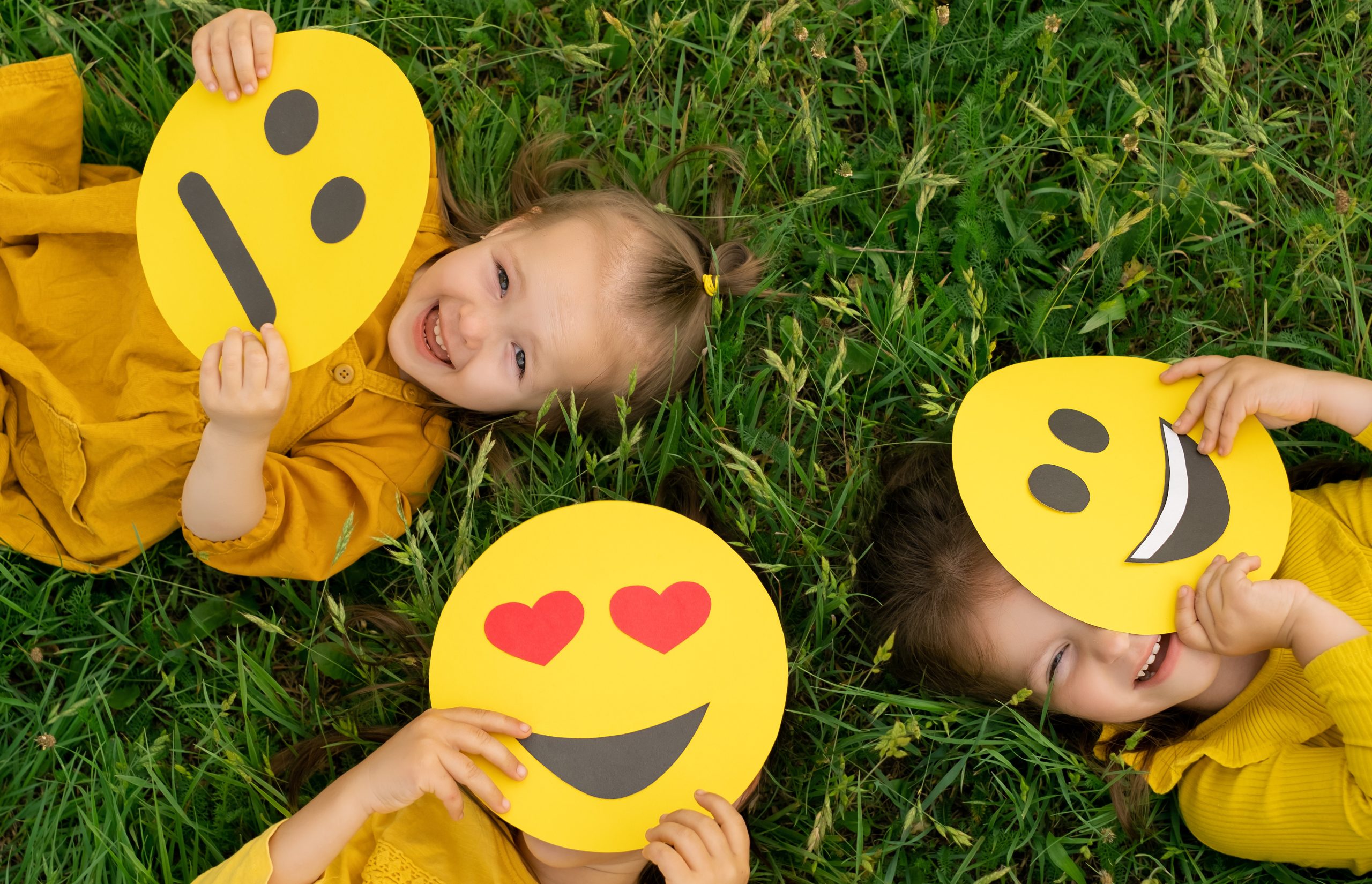
Learning about their emotions can reduce frustration and meltdowns. Children often feel intense physical sensations (like “butterflies” in their tummy or a racing heart) but don’t know what they mean. Naming the emotion gives them a tool to communicate their needs instead of acting out. This in turn builds self-regulation. When children recognize that they feel angry or sad we can introduce them to calm-down strategies. Understanding their own feelings helps children read facial expressions and body language in others leading to better sharing, conflict resolution, and stronger friendships.
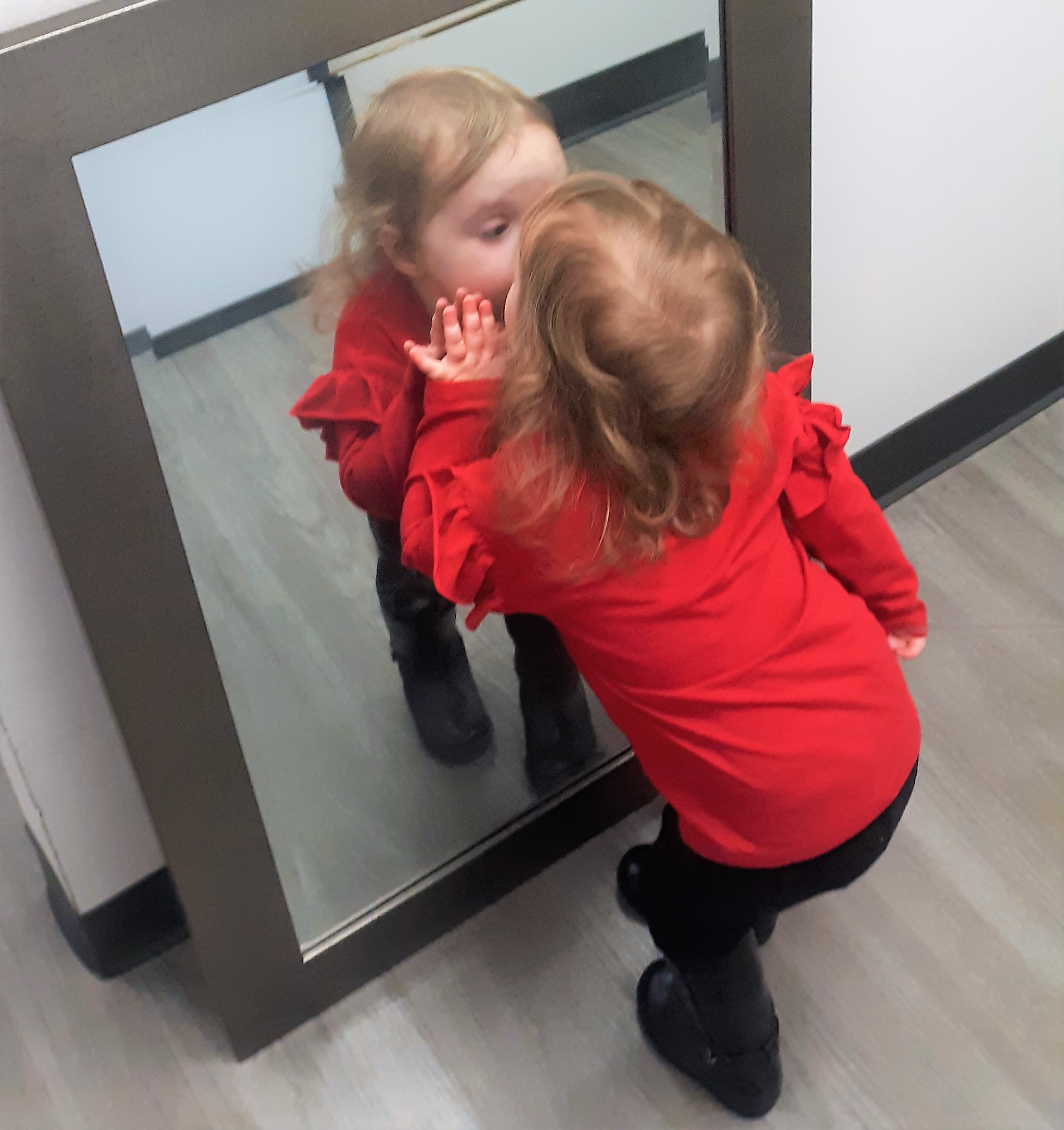
We also encourage our children to be aware of their bodies. Mirrors are a fantastic way for children to look at the differences between themselves and friends. The colour of our hair, eyes and skin. How tall are we compared to our friends? Mirrors are also a helpful aid speech and language development as children concentrate on the shape their mouth needs to make to form the sounds.
Discussions about ourselves will allow us to learn about the importance of keeping fit and understanding the benefits of keeping active. Physical activity is crucial in early years for fostering healthy development. It supports physical growth, motor skill development, cognitive function, and social-emotional well-being. Encouraging physical activity from a young age helps children establish healthy habits for life and positively impacts their physical and mental health.
Physical play, including activities like crawling, climbing, and running, strengthens muscles and bones, improving coordination, balance, and posture.
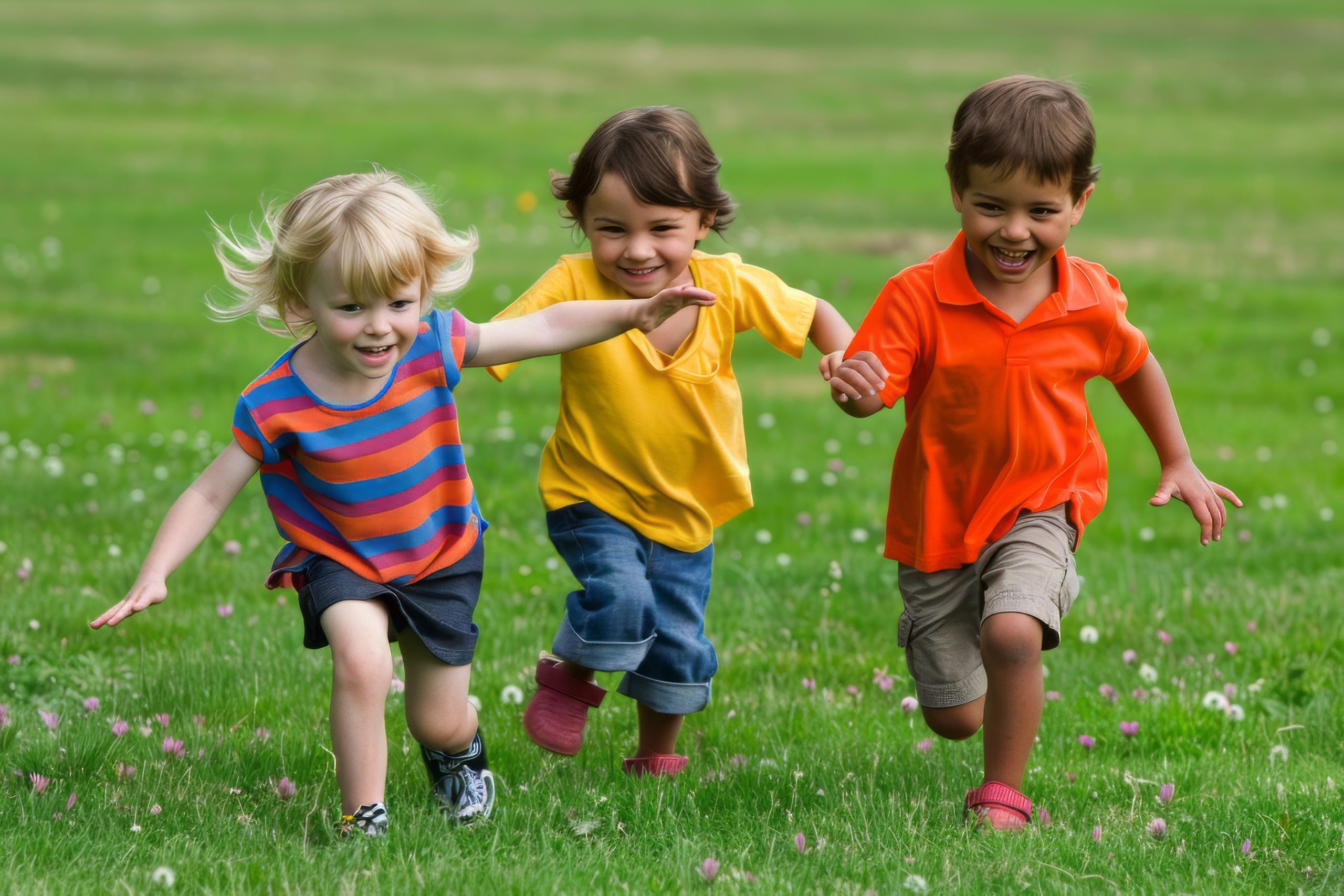
Motor skills are developed by learning fundamental movement skills like jumping, hopping, and throwing, which are essential for later physical activity and daily tasks. Activities like balancing on one foot or catching a ball enhance hand-eye coordination and spatial awareness.
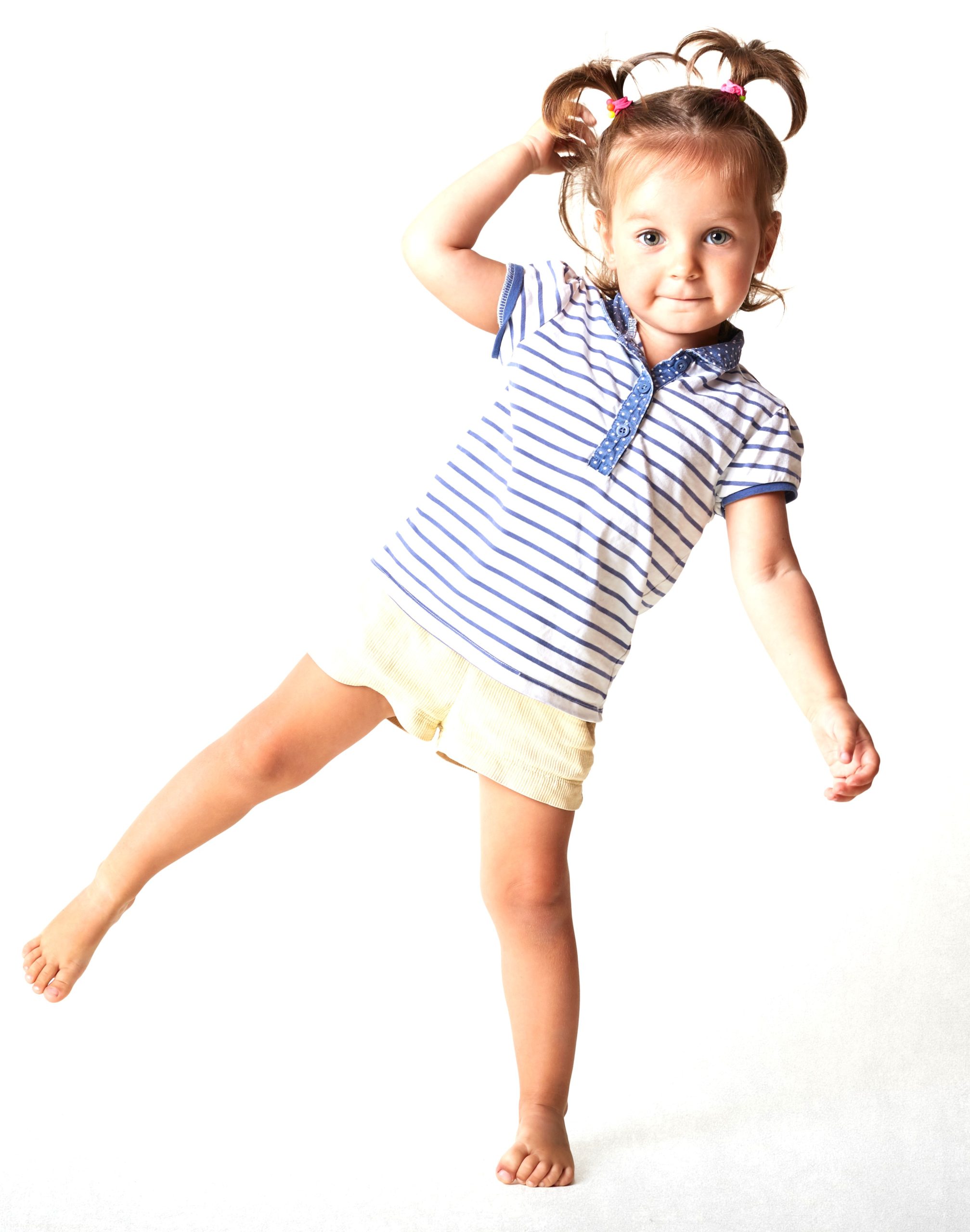
Our fantastic Blast Sport sessions are a great way to introduce children to more structured sports, benefiting them in a multitude of ways and particularly helping to promote team building and self-confidence. Dancing with Claire is incredibly popular with our children and helps to encourage movement to music and some simple gymnastics, while having the best of fun!
Outings to the park allow our children to explore more risky play. Risky play in the early years helps children to naturally build confidence, resilience, and independent problem-solving skills. By safely navigating controlled challenges like climbing and balancing children learn to assess their own abilities, manage their fears, and understand the consequences of their actions.

Later in the term we will be looking at food and healthy eating which is a great extension of our ‘All about me’ project. There is lots of information about the importance of teaching children about healthy food choices in our Autumn Term newsletter.
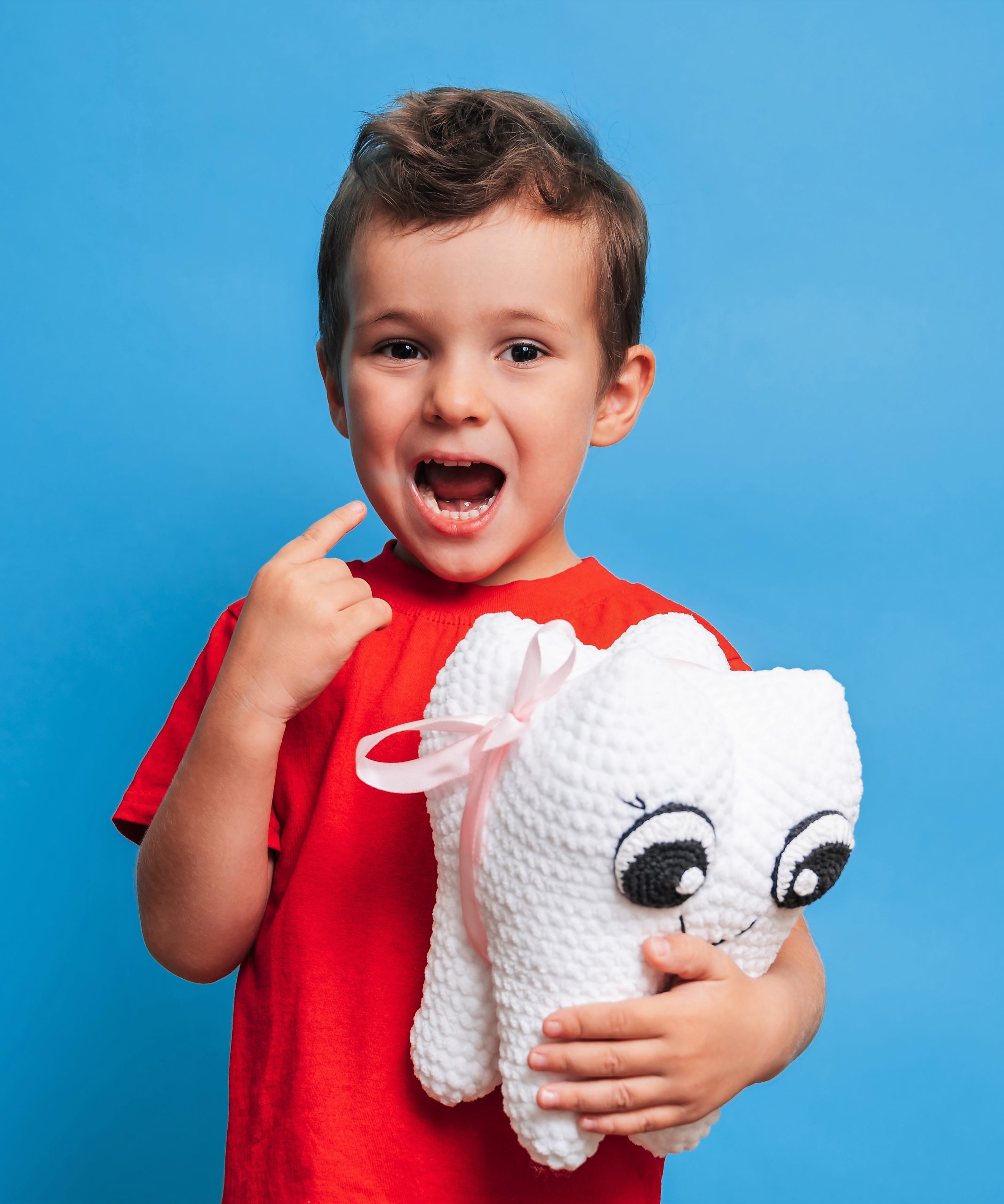
Oral health is also included in the EYFS, and particularly at a time when NHS dental care is sometimes difficult to access, we will be talking to the children about the importance of looking after our teeth.
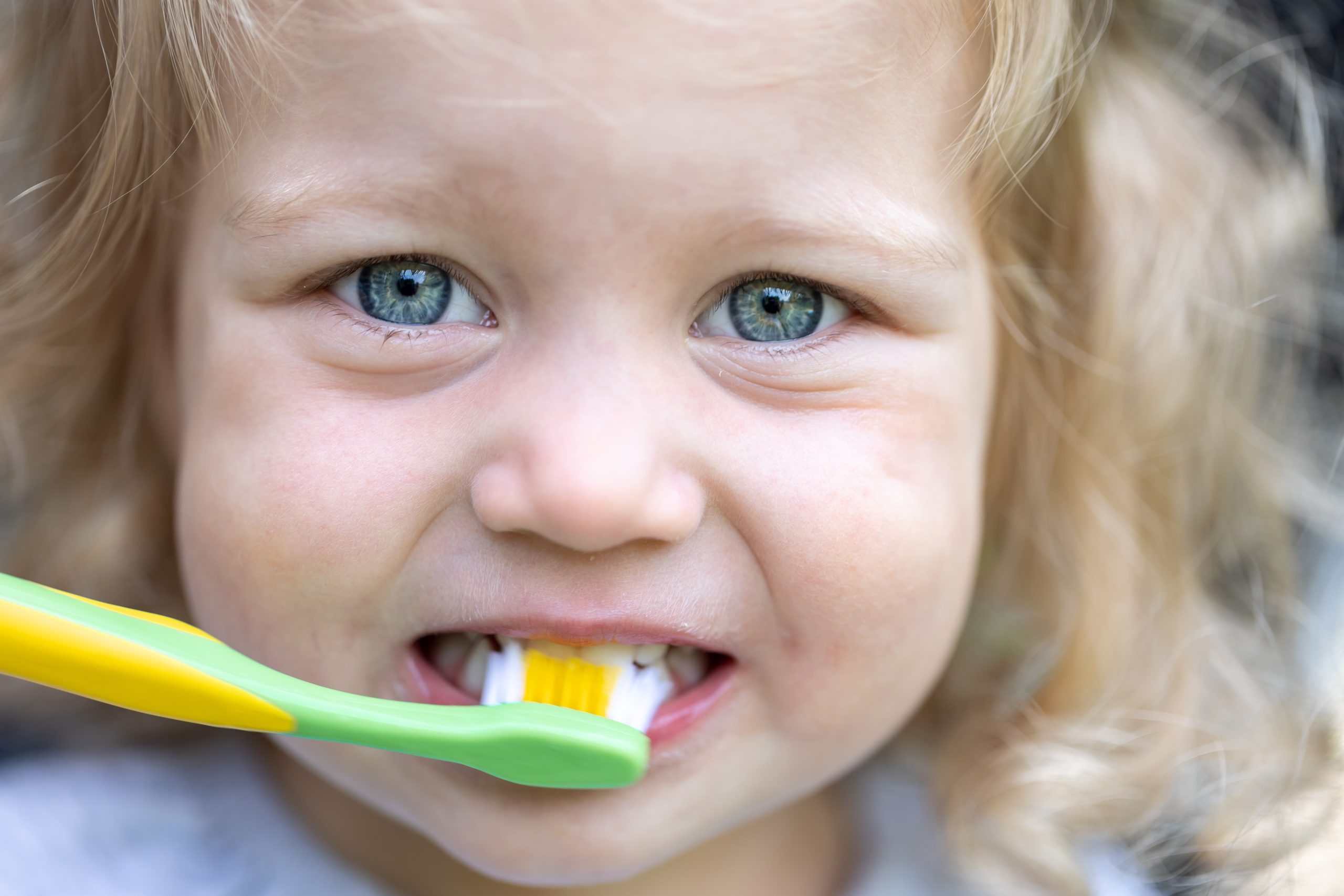
This involves educating them about healthy habits, such as brushing teeth with fluoride toothpaste and limiting sugary foods and drinks. We will also be encouraging children to think about dental check-ups as a positive experience with role play, and talking about the sounds and sights they might experience at the dental surgery.
This project is also a fabulous way to teach children about diversity and inclusivity. Our Montessori ethos encourages children to explore and experience the full richness of the world, and all the many different people who live in it. Joining in with other people’s celebrations and festivals helps to promote a greater understanding of the world.

If any parents or family members would like to get involved with our project this term, we would really encourage your participation. Whether you’d like to share some fun exercises such as simple yoga… give a small talk about the role of a dentist or dental nurse… help the children with creating some self-portraits… these would all be fantastic additions to the children’s learning! Please speak to a teacher if this is something that interests you.
We’re really looking forward to getting to know new friends in our ‘All About Me!’ project, and welcoming all of our new children and parents to the Children’s House family!